



FAQ about your trip to the Philippines
What is the best time to travel to the Philippines?
The best time to visit the Philippines runs from November to April, during the dry season. Temperatures are pleasant, ranging between 25 and 32°C, and rainfall is rare. However, certain regions, such as Palawan or the Visayas, can be visited year-round, as long as you avoid the months from July to October, which are marked by frequent typhoons.
If you would like to attend festivals, plan your stay in the Philippines according to local events. For example, the Sinulog Festival in Cebu, in January, celebrates the Santo Niño with colorful dances and processions. The Ati-Atihan Festival in Kalibo, also in January, is one of the liveliest in the country, with participants covered in paint and dressed in traditional costumes.
Do you need a visa to travel to the Philippines?
For French nationals, no visa is required for a tourist stay of up to 30 days in the Philippines. Before departure, however, travelers must complete the eTravel Card online—ideally within the 72 hours prior to travel—then present the generated QR code at boarding and upon arrival.
It is also recommended to take out travel insurance covering medical expenses and repatriation. Healthcare infrastructure in the Philippines is uneven, and hospitalization can be expensive, especially in remote areas. Make sure your policy includes coverage for higher-risk activities such as diving or mountain hiking.
What are the must-see highlights of a tour in the Philippines?
A tour of the Philippines should include a variety of stops to discover the country’s diversity. Here are a few must-sees:
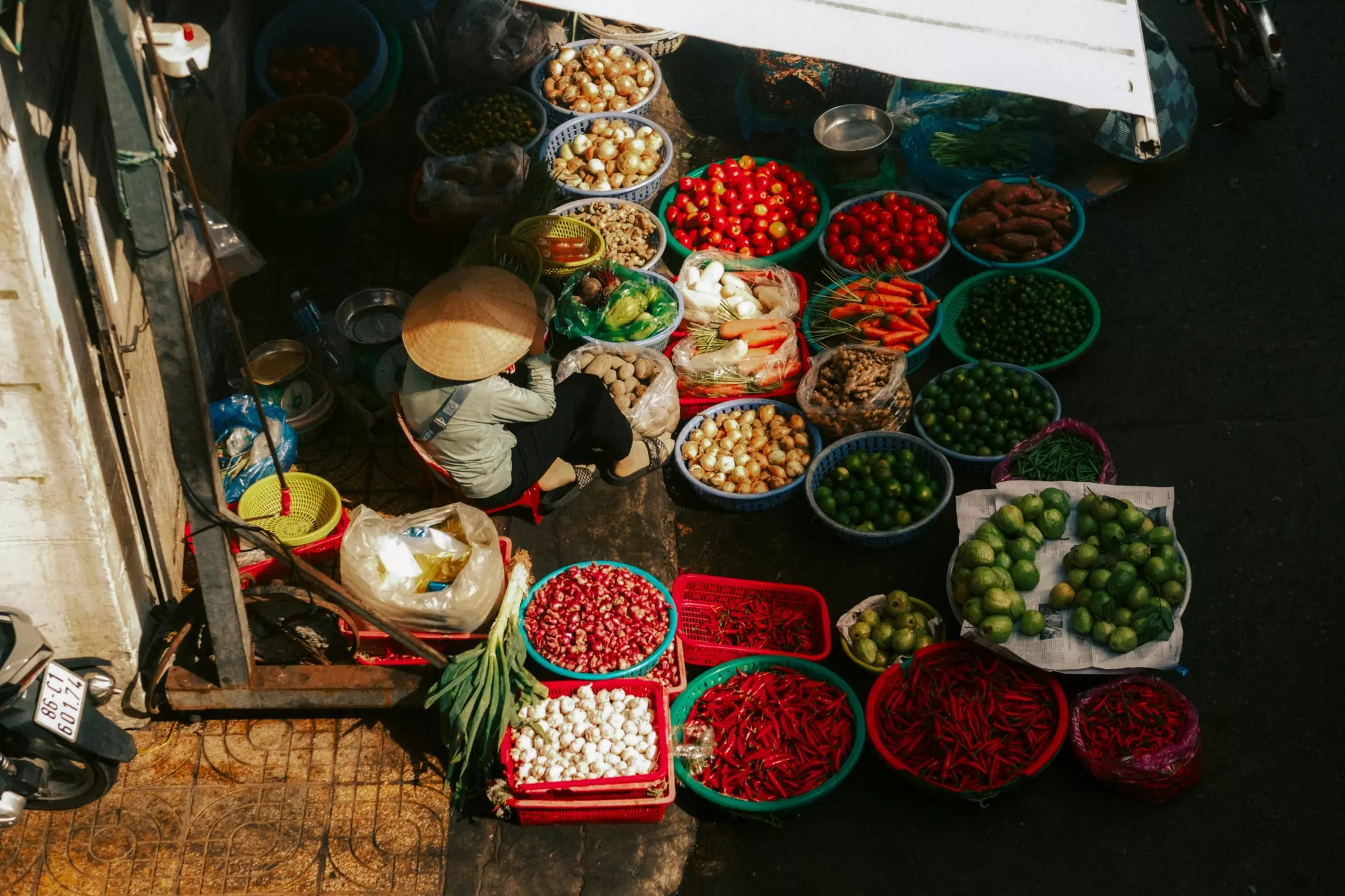
Manila, the capital, is often the country’s gateway. Although noisy and chaotic, it’s worth a visit for its historic Intramuros district, its museums, and its lively markets. A trip to Taal Volcano, just an hour’s drive away, offers a spectacular view over a lake home to a volcanic island.
Palawan is another essential stop. El Nido, with its limestone cliffs and turquoise lagoons, is perfect for a bangka cruise. In Coron, you can explore freshwater lakes and World War II shipwrecks. Lastly, Puerto Princesa Subterranean River National Park, accessible by boat from Sabang, is a one-of-a-kind site.
For a cultural experience, head to Vigan on the island of Luzon. This Spanish colonial city, listed as a UNESCO World Heritage Site, is home to 18th-century stone and wooden houses, as well as artisan workshops crafting ceramic and metal items.
How can you travel between the islands on a trip to the Philippines?
Getting around between the islands in the Philippines can be challenging due to the remoteness of the archipelagos. Domestic flights, operated by airlines such as Cebu Pacific or Philippine Airlines, connect the main cities, including Manila, Cebu, Davao, and Puerto Princesa. These flights are fast and relatively inexpensive, but they can be subject to delays due to weather conditions.
Ferries are a budget-friendly alternative for longer journeys. Companies such as 2GO Travel offer crossings between Manila and the Visayas or Mindanao, with private cabins or economy-class seats. For shorter routes, such as between Coron and El Nido, fast boats (fast ferries) are available, but they are often crowded and not very comfortable.
Once there, local transport includes jeepneys—colourful, iconic minibuses—tricycles (motorbikes with a sidecar), and habal-habal, motorcycle taxis. These modes of transport are inexpensive, but they can be uncomfortable over long distances. For greater comfort, you can hire a car with a driver or book private transfers through your travel agency.
What actions should you take to travel sustainably in the Philippines?
For a sustainable trip to the Philippines, start by choosing eco-friendly accommodation, such as Travelife-certified lodges or ecolodges that use renewable energy and wastewater treatment systems. Also give priority to activities that support local communities, like visits to traditional villages or handicraft workshops.
Reduce your plastic consumption by using a reusable water bottle and avoiding single-use plastic water bottles. In rural areas, waste is often burned or dumped in nature, which pollutes soils and waterways. Take your rubbish with you until you find a suitable bin, or join clean-up operations organized by local associations.
Also respect fragile ecosystems. When diving or hiking, do not touch the corals and do not disturb wildlife. In nature reserves, such as the Puerto Princesa Underground River National Park, stay on marked trails and follow your guides’ instructions. Finally, support local initiatives by buying handicrafts made by women’s cooperatives or indigenous communities.


Travel to the Philippines: an authentic, tailor-made immersion
Why choose a tailor-made trip to the Philippines?
A trip to the Philippines offers a unique experience, far from the classic tourist routes. With more than 7,000 islands, this Southeast Asian country captivates with its varied landscapes, well-preserved cultures, and warm welcome. Whether you’re looking for an adventure in the heart of nature, a cultural immersion, or a beach getaway, the Philippines offer endless possibilities for a stay in the Philippines tailored to your wishes.
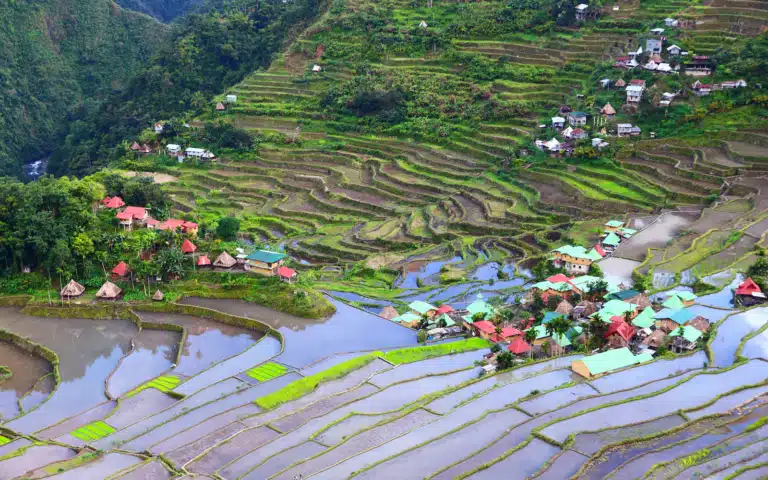
Choosing a tailor-made trip to the Philippines lets you discover the archipelago at your own pace, avoiding the crowds and standardized itineraries. Unlike organized group tours, a personalized trip to the Philippines gives you the freedom to choose your stops, your activities, and the length of your stay. For example, you can combine a hike through the Banaue rice terraces, a diving session, and a night in a traditional house on the island of Palawan.
Local travel designers, based on the ground, know the country’s hidden gems inside out. They offer you authentic experiences, such as taking part in a traditional ritual with the Ifugao or sharing a meal with a family of fishermen. These moments—often inaccessible to typical tourists—turn a simple tour of the Philippines into a memorable adventure.
A trip to Asia with a specialized agency also guarantees stress-free logistics. Transfers, accommodation, and activities are arranged in advance, allowing you to fully enjoy each stage without worrying about practical details.
How can you plan a Philippines itinerary tailored to your desires?
A Philippines itinerary is built around your interests, your budget, and the length of your stay. Here are a few ideas to inspire your trip:
For nature lovers, the Banaue Rice Terraces, a UNESCO World Heritage Site, offer breathtaking scenery. A two-day trek lets you pass through remote villages and spend the night in a local homestay. In Palawan, the Puerto Princesa Subterranean River National Park, one of the New Seven Wonders of Nature, is a must for cave exploration and biodiversity enthusiasts.
Diving enthusiasts will find what they’re looking for in the Philippines, home to some of the best spots in the world. In Tubbataha, in the Sulu Sea, you can swim alongside sea turtles, manta rays, and sharks. The coral reefs of Apo Island, protected since the 1980s, are a successful example of marine conservation and offer exceptional visibility.
For a cultural immersion, the island of Bohol is ideal. You can discover the Chocolate Hills, visit tarsier sanctuaries—home to the world’s smallest primates—and explore World Heritage-listed Baroque churches. A stop in Cebu City will also let you delve into the country’s Spanish colonial history.
Finally, for a beach getaway, the islands of Boracay, El Nido, and Coron offer white-sand beaches, turquoise waters, and paradise-like lagoons. In El Nido, you can island-hop by bangka, a traditional boat, and discover secret coves accessible only by sea.
Responsible travel in the Philippines: committing to sustainable tourism
A responsible trip to the Philippines goes beyond simply respecting the environment. It means supporting local communities, preserving fragile ecosystems, and minimising your impact on traditional cultures.
The Travelife certification, obtained by certain establishments in the Philippines, ensures that accommodation and activities meet strict sustainability criteria. This includes waste management, water and energy consumption, as well as support for local initiatives. On a sustainable trip to the Philippines, you can also take part in reforestation projects, such as those carried out in the mangroves of Palawan, or support women’s cooperatives that produce handicrafts.
Simple gestures make a difference too. Avoid single-use plastics, choose local transport such as jeepneys or tricycles, and respect the customs of the communities you visit. For example, in Ifugao villages, it is customary to ask permission before taking photos and to wear modest clothing during traditional ceremonies.
An authentic travel agency can support you in this approach by selecting committed partners and raising your awareness of best practices. It can also offer alternatives to reduce your carbon footprint, such as travelling by boat rather than by plane between nearby islands.
Choosing a local travel agency in the Philippines for a successful trip
Using a local travel agency in the Philippines offers several advantages. First, it has in-depth knowledge of the destination and can offer experiences that are out of reach for independent travelers. For example, a local agency can arrange a meeting with craftspeople from the island of Marinduque, renowned for their traditional masks used during the Moriones festival, or help you discover secret beaches in Siargao, far from the crowds.
Next, a French-speaking travel agency in the Philippines makes communication easier and helps avoid misunderstandings. The travel designers, often French-speaking, understand your expectations and can adjust your itinerary in real time based on your feedback. They also handle the unexpected, such as ferry delays or schedule changes due to weather conditions, which is common in an archipelago this vast.
Finally, a local agency works closely with communities. It donates part of its profits to social or environmental projects, such as protecting sea turtles on Apo Island or renovating schools in rural areas. By choosing a committed agency, you directly support the local economy and contribute to fairer tourism.
To find the right agency, choose those that provide detailed quotes, including accommodations, activities, and transfers. Also check reviews from previous travelers and make sure the agency has an official license issued by the Philippine Department of Tourism. A good agency will also provide practical advice, such as entry requirements, recommended vaccinations, and health precautions to take.

 Français
 English