




FAQ about your trip to Sri Lanka
What is the best time to travel to Sri Lanka?
There’s no single best time to visit Sri Lanka—the island can be enjoyed year-round. The best time to visit Sri Lanka is simply when you’re available! As a local agency based in Sri Lanka and experts in our destination, we’ll tailor an itinerary according to the regions you want to explore and the time of year you wish to travel. The west and south coasts, with their beaches and national parks such as Yala and Udawalawe, are ideal between December and April, when the weather conditions are most favorable and, above all, the sea is calmer. In the off-season, the weather is almost just as good, with only a few showers late in the day, and we’ll suggest bays sheltered from currents or accommodations with a pool. By contrast, the less-visited east coast is accessible from April to September, with pleasant temperatures and a calm sea.
For a Sri Lanka itinerary covering several regions, the months from December to April are often recommended, but Sri Lanka truly can be visited all year round. Avoid the monsoon, which affects different parts of the island in turn, and opt for the shoulder seasons to enjoy dry, sunny weather. As a local agency, we can help you fine-tune your itinerary based on the weather forecast.
Do you need a visa to travel to Sri Lanka?
Yes, a visa is required to enter Sri Lanka. French travellers can obtain an electronic visa (ETA) online before departure, valid for a 30-day stay. The application is made on the official Sri Lankan government website and generally costs USD 50. However, the visa has been free for French nationals since May 2026. It is recommended to obtain it at least 72 hours before your flight to avoid any delays.
On arrival, you will need to present your passport, valid for at least 6 months after the date of entry. Formalities are generally quick, but it is advisable to check the latest updates before you leave, as rules may change.
What are the must-sees on an itinerary in Sri Lanka?
A classic Sri Lanka itinerary often includes the following sites: Colombo, the vibrant capital; Kandy, with its Temple of the Sacred Tooth Relic; the ancient cities of Sigiriya, Anuradhapura and Polonnaruwa; the tea plantations of Ella and Nuwara Eliya; and the beaches of the south coast, such as Mirissa or Tangalle. These stops let you discover the country’s history, culture and varied landscapes. At Atypique Lanka, we invite you to experience the must-sees differently — and above all to get off the beaten track and add a few unusual stops to your holiday!
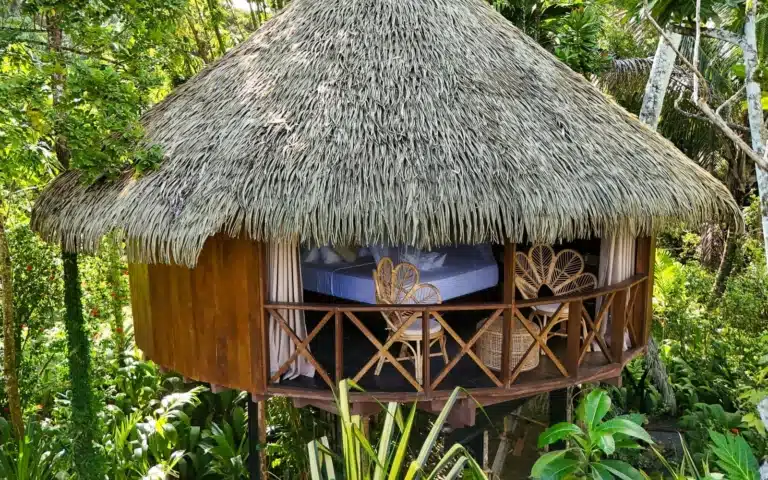
For a more immersive experience, add a few “hidden gems” such as a night in a treehouse overlooking the rice paddies, a hike in the Knuckles Mountains with an expert guide, or a visit to a traditional village in the Jaffna region. These less touristy activities offer an authentic glimpse into local life and are often offered by agencies specializing in travel to Ceylon.
How to choose a local travel agency in Sri Lanka?
To choose a local travel agency in Sri Lanka, prioritize those that offer tailor-made itineraries and work with certified French- or English-speaking guides. This will guarantee travel conditions and safety standards that others do not always meet. Check traveler reviews on independent platforms and make sure the agency is registered with the local authorities. A good agency should also be transparent about its pricing and its commitments to responsible tourism.
A French-speaking travel agency in Sri Lanka makes communication easier and helps you better understand the country’s cultural specifics. For example, it can advise you on the appropriate behavior to adopt in temples. Finally, choose an agency that offers personalized support before, during, and after your trip, such as a tailor-made travel agency.
What are the pitfalls to avoid when traveling in Sri Lanka?
When traveling in Sri Lanka, also beware of offers that seem too good to be true, such as low-cost safaris or unregulated boat trips. These activities can be dangerous or harmful to the environment. Lastly, respect local customs, especially in religious sites, where modest clothing is required. A local agency will help you avoid these pitfalls and make the most of your stay.
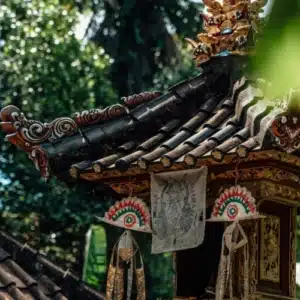


Travel to Sri Lanka
Why choose a stay in Sri Lanka?
Planning a trip to Sri Lanka requires careful preparation to discover the treasures of this South Asian island. Between paradise beaches, national parks and ancient cultures, Sri Lanka offers unique experiences for travellers in search of authenticity. A specialist agency such as Atypique Lanka can help you design a tailor-made itinerary suited to your wishes, avoiding tourist traps and prioritising local encounters.
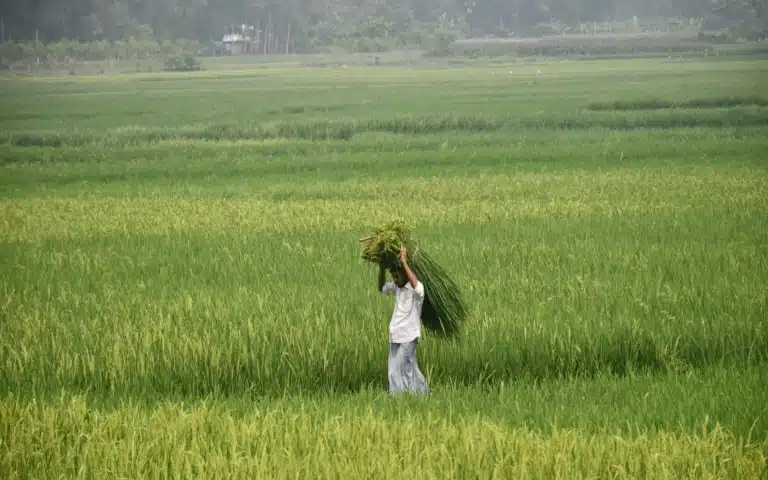
A stay in Sri Lanka lets you discover a wide variety of landscapes in just a few days. The terraced rice fields around Kandy, the beaches of the south coast or the east coast, as well as nature reserves such as Yala, Udawalawe or Wilpattu are home to exceptional wildlife. Travellers also appreciate the warm welcome of the locals and the richness of Buddhist and Hindu traditions, visible in temples and local festivals.
A well-designed tour alternates cultural visits and moments of relaxation. For example, after a hike through the tea plantations of Nuwara Eliya, you can unwind on the beaches of Mirissa. A French-speaking local agency like Atypique Lanka makes these transitions easier by organising transport and accommodation according to your preferences and ensuring a reassuring presence and quality support from your quote request right through to the end of the trip.
Sri Lanka also stands out for its commitment to responsible tourism. Many local initiatives, such as reforestation projects or women’s cooperatives, allow travellers to contribute positively to the country’s economy. By choosing eco-friendly accommodation, you support these efforts while enjoying an unspoilt setting.
How to create a Sri Lanka itinerary tailored to your wishes?
A successful Sri Lanka tour relies on a balance between discovery and relaxation, while still offering flexibility. Rather than following a standardized itinerary, opt for a tailor-made approach that takes into account your interests, needs, and budget. For example, history lovers can explore the ancient cities of Polonnaruwa and Anuradhapura, while nature enthusiasts will prefer the national parks of Wilpattu or Minneriya, where wild elephants gather near watering holes.
To personalize your trip, start by defining your priorities: culture, adventure, lounging, or gastronomy. A specialist agency like Atypique Lanka will then suggest more off-the-beaten-track key stops, such as a night in a guesthouse in the heart of the mountains, a stay in the treetops, or a day with a family of fishermen on the east coast. These experiences, known as “hidden gems,” turn a simple trip into a memorable immersion.
Also consider adapting the length of your stay. A 10-day Sri Lanka itinerary lets you cover the must-sees without rushing, while a 15-day trip offers the opportunity to explore less-visited regions, such as the villages of Uva Province or the wild beaches of the northern coast. In any case, we’ll add the Atypique touch! We always advise you to avoid overloading your program and we plan for free time to improvise or rest. After all, it still needs to feel like a vacation!
The benefits of a tailor-made trip to Sri Lanka
Choosing a tailor-made trip to Sri Lanka offers several advantages over a standard package. First, you benefit from streamlined logistics: transfers between sites are planned to avoid wasting time, and accommodations are selected for their location and quality. We only offer what we know, which helps you avoid unpleasant surprises when hotel rooms don’t look like the photos online…
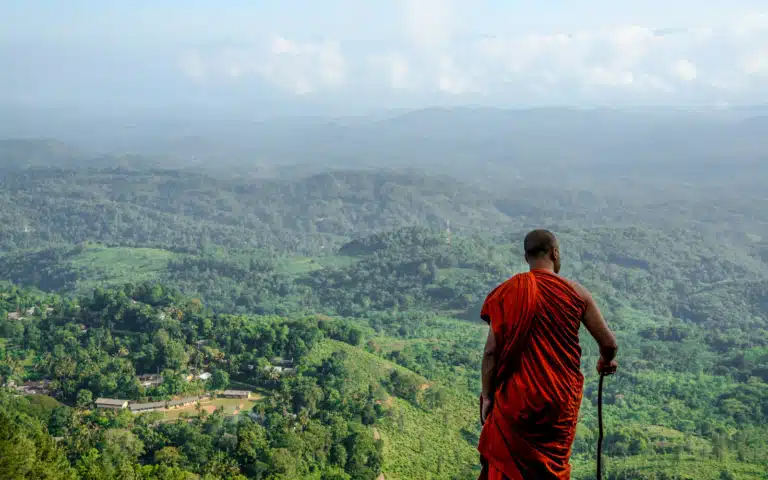
An authentic trip to Sri Lanka also means meeting local people. By working with a local agency like Atypique Lanka, you gain access to experiences that independent travelers can’t easily arrange, such as a cooking class with a Sri Lankan family or a temple tour led by a Buddhist monk. These moments often become the most memorable highlights of the trip.
Finally, a personalized trip to Sri Lanka makes it easy to travel as a couple, in a small group, or as a family without constraints. Itineraries are tailored to the participants’ ages and pace, with a variety of activities to keep children engaged or wellness breaks for adults. For example, a day might begin with an early-morning visit to an archaeological site, followed by a relaxing afternoon at an Ayurvedic spa.
For those who want to explore other destinations in Asia, an Asia trip can be combined with a stay in Sri Lanka. Flights between Colombo and cities such as Bangkok or Hanoi are frequent and inexpensive, making it possible to discover several countries in a single journey.
Responsible and sustainable travel: how can you reduce your impact?
A responsible trip to Sri Lanka starts with choosing the right service providers. Opt for a local agency certified by Travelife and, above all, registered with the local authorities, as well as accommodations committed to an eco-friendly and sustainable approach—such as lodges that use renewable energy or guesthouses that support community projects. Likewise, avoid activities that exploit animals, such as elephant rides, and choose ethical safaris in national parks.
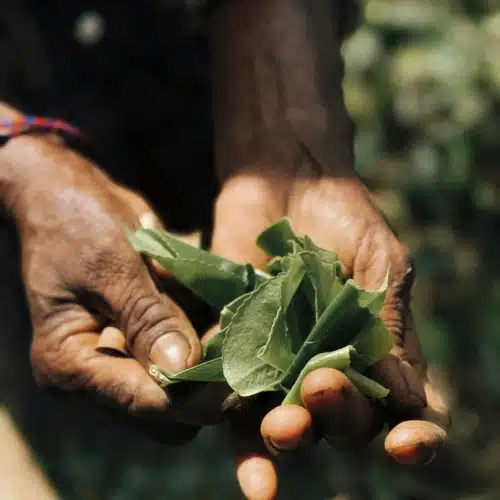
Sri Lanka is a country where tourism can have a positive impact when it is properly managed. For example, when visiting the Ambadandegama tea plantations, you can choose to support local cooperatives by buying tea directly from producers. Similarly, by taking part in craft workshops, you help preserve traditional skills while bringing home unique souvenirs.
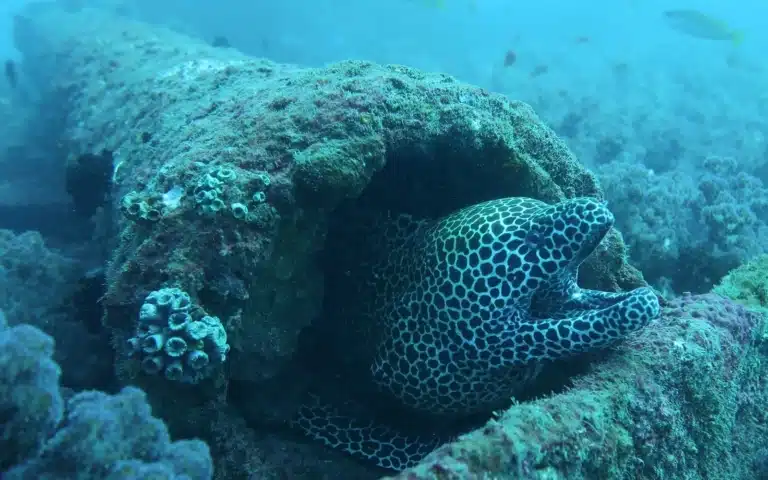
A sustainable trip to Sri Lanka also involves simple everyday actions. Limit your plastic consumption by using a reusable water bottle and refusing straws. Respect religious sites by dressing modestly and following your guides’ instructions. Lastly, educate yourself about local issues—such as water management or coral reef protection—so you can adapt your behavior on site.
For those who want to go further, the Atypique Foundation offers opportunities to support local initiatives. These actions help offset the carbon footprint of your trip while having a direct impact on the communities you visit.
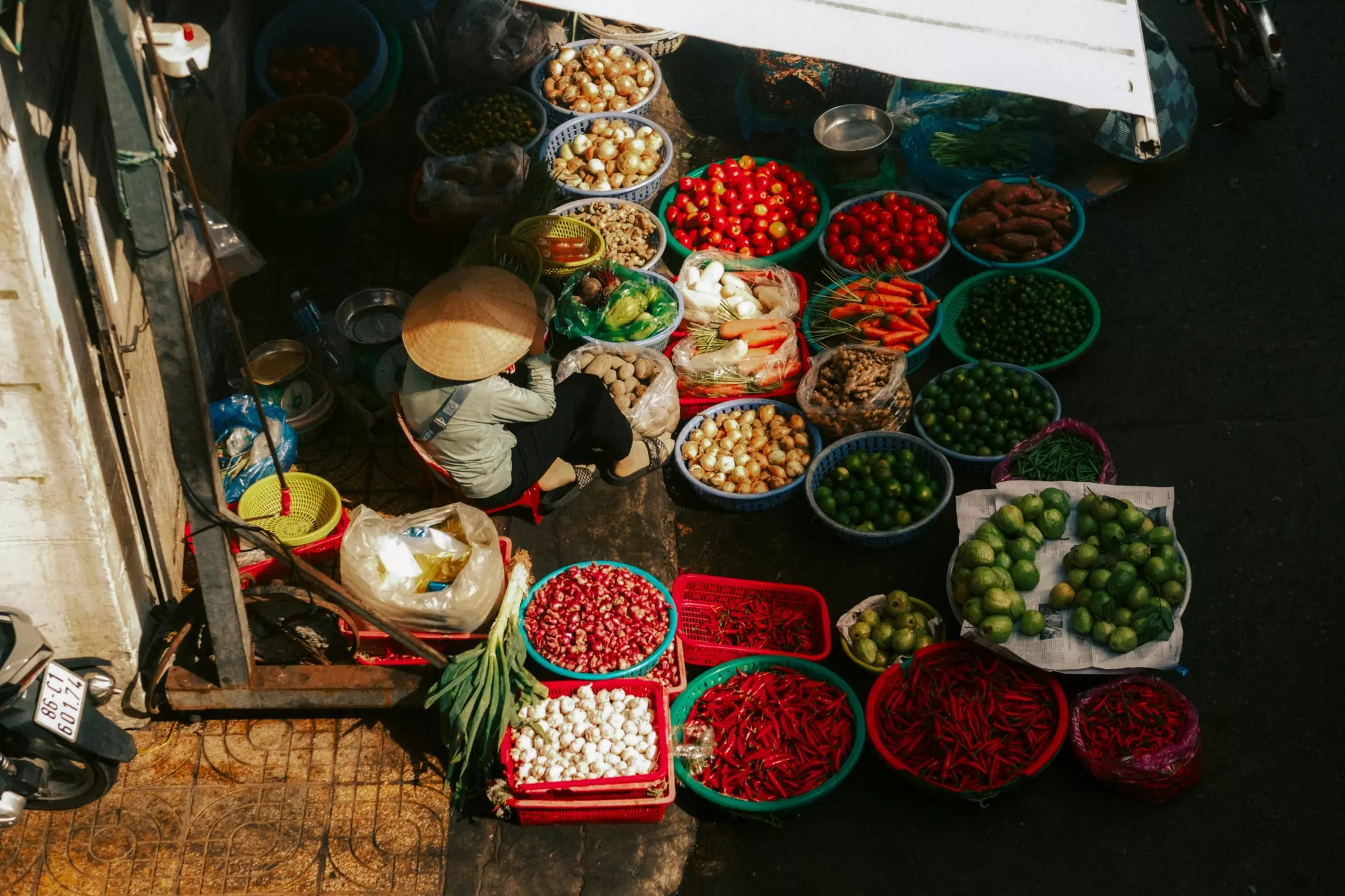
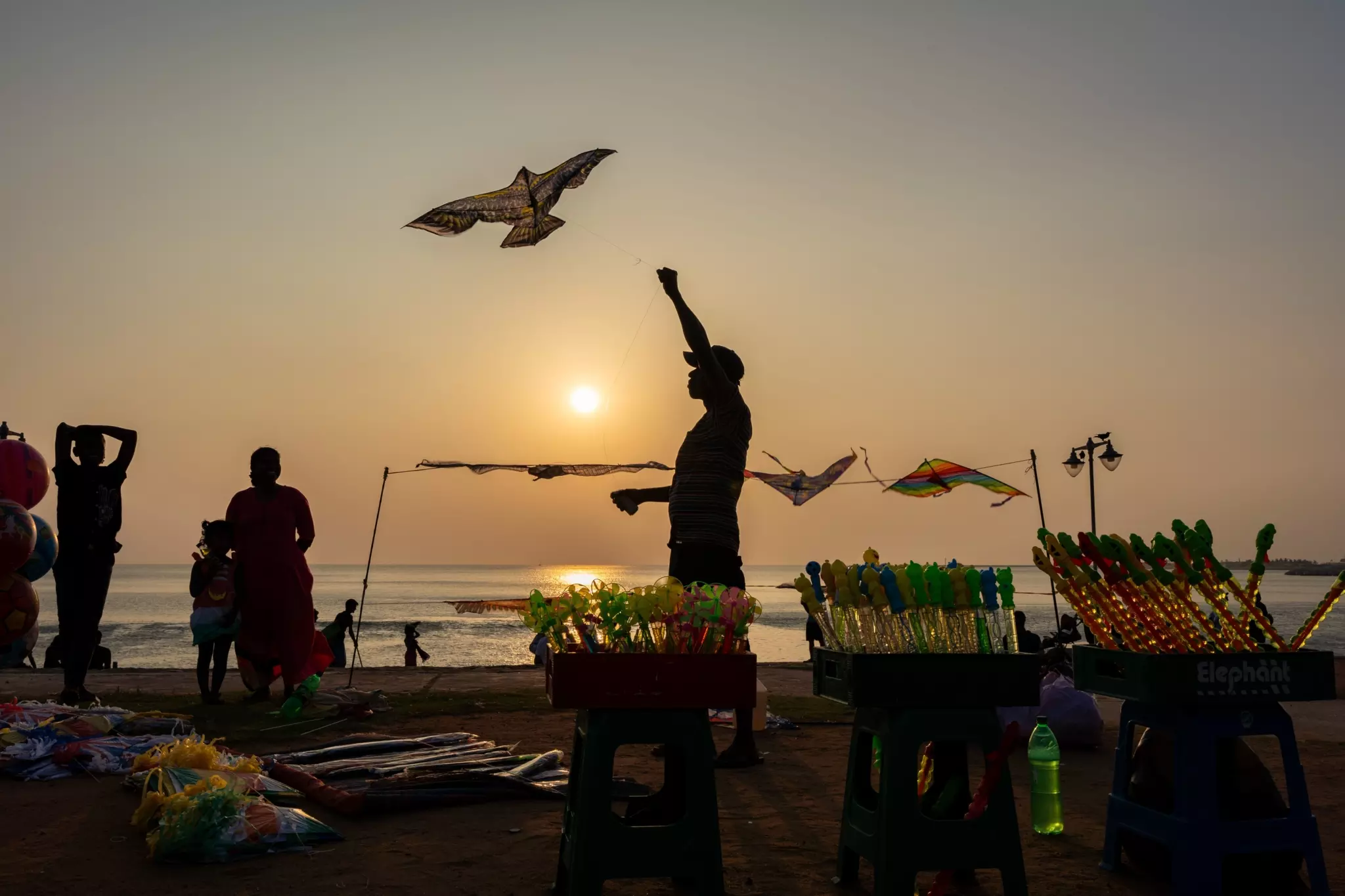
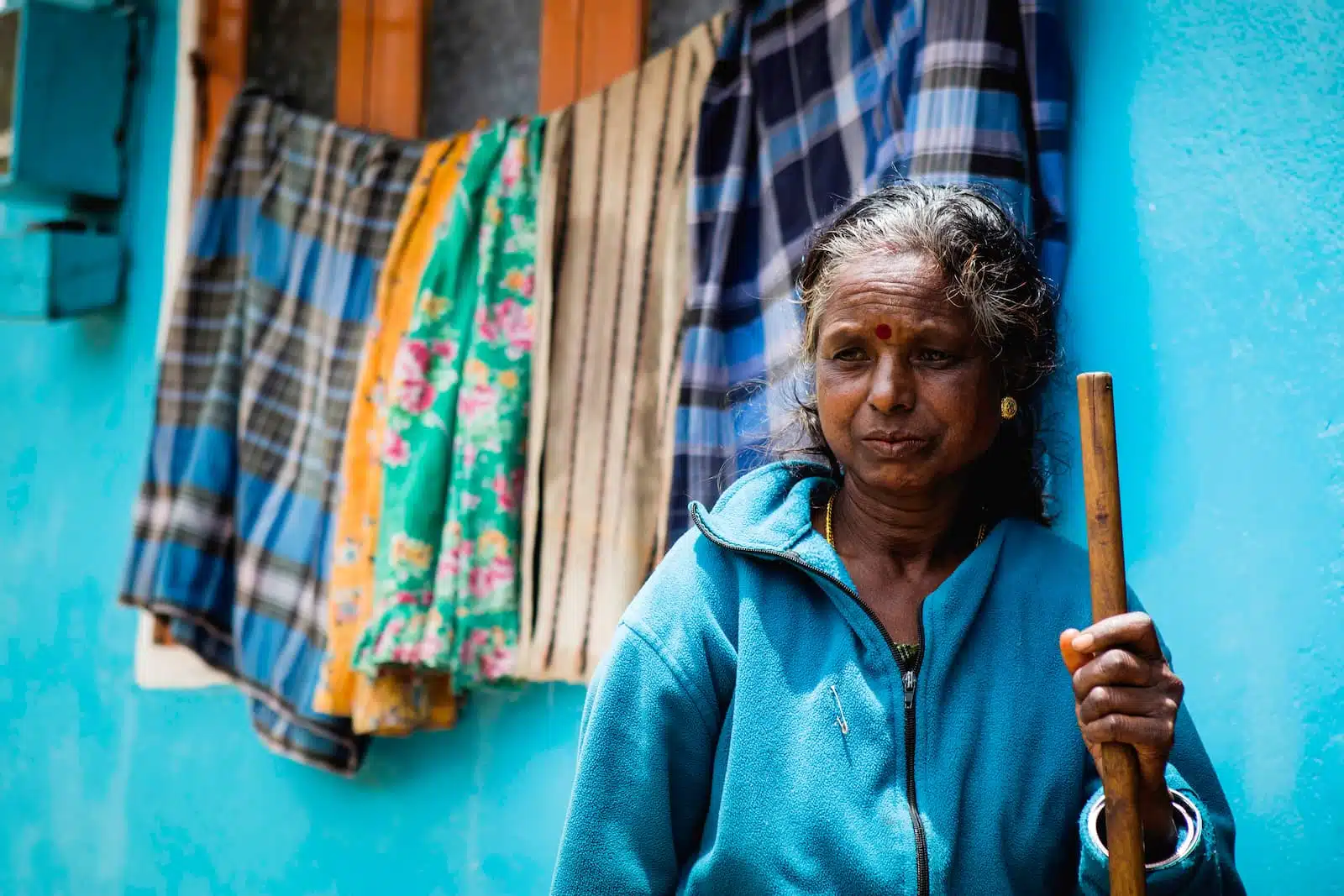

 Français
 English