




FAQ about your trip to Vietnam
What is the best time of year to travel to Vietnam?
The ideal period depends on the regions you visit. Northern Vietnam, with its mountains and rice paddies, is pleasant from September to November and from March to May. Temperatures are mild, and the landscapes are lush and green. In contrast, the south, with its tropical climate, is best visited from December to April, during the dry season. Avoid the monsoon, which runs from May to October in the central and southern regions, and from July to September in the north.
For a stay in Vietnam covering several regions, choose the months from March to May or from September to November. These periods offer a good balance between favorable weather and moderate tourist crowds.
Do you need a visa to travel to Vietnam?
Good news: French travelers don’t need a visa for a tourist stay in Vietnam of up to 45 days. One less formality before heading off to discover Hanoi, Ha Long Bay, the rice terraces of the North, or the Mekong Delta!
Always check the requirements before you leave, as rules can change. A French-speaking travel agency in Vietnam can help you with these formalities to avoid any unpleasant surprises.
Entry requirements for Vietnam depend on your nationality. So if you are not traveling with a French passport, we recommend checking the formalities that apply to your passport before your departure.
What are the typical dishes to try on a trip to Vietnam?
Vietnamese cuisine is renowned for its freshness and well-balanced flavors. Among the must-try dishes, phở—a noodle soup with a fragrant broth—can be enjoyed at any time of day. Bánh mì, a Vietnamese sandwich filled with meat, vegetables, and condiments, is another specialty not to be missed. In the south, dishes are often sweeter, such as hủ tiếu, a seafood noodle soup.
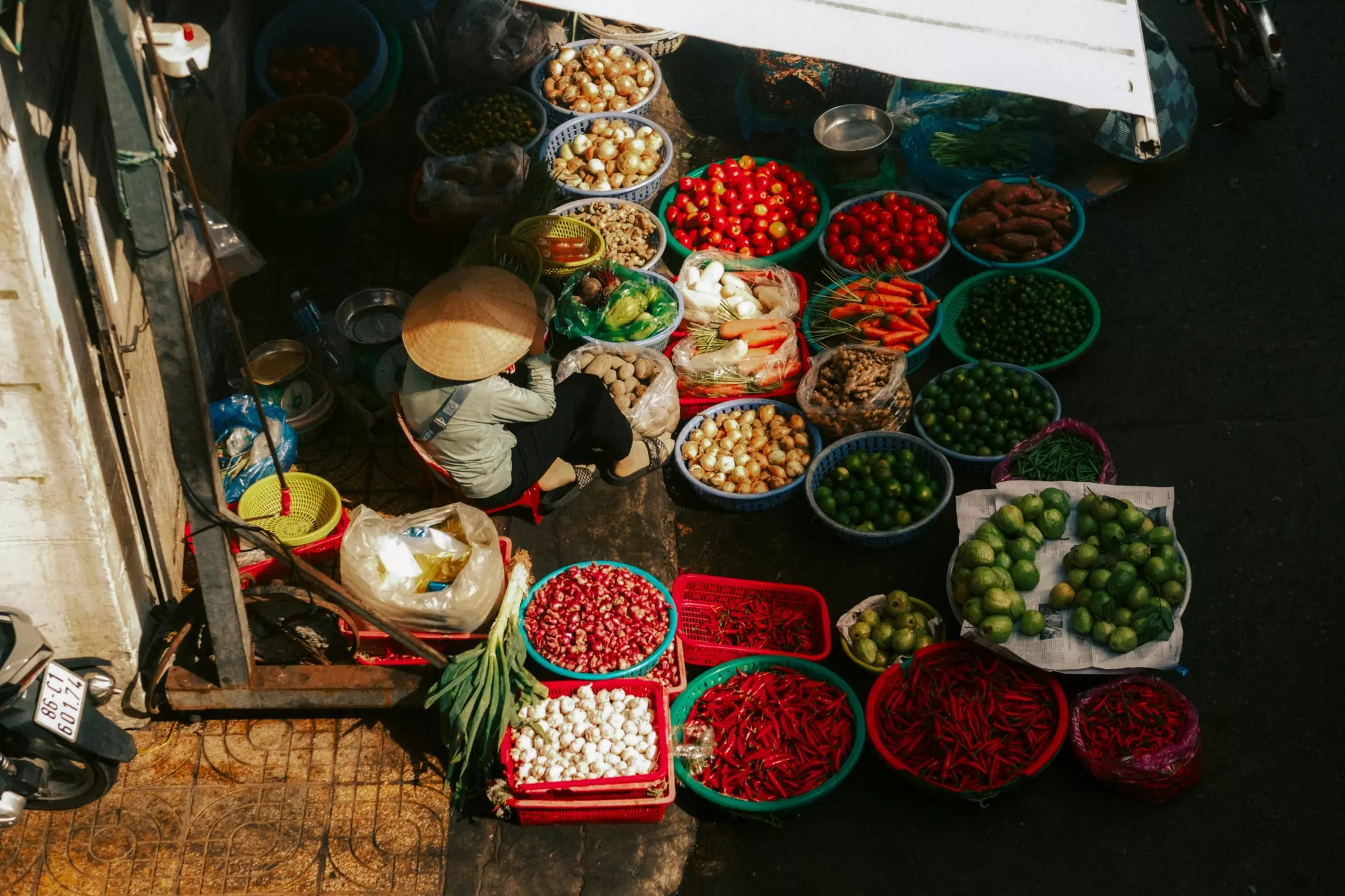
For an authentic experience, sample local specialties in markets or small street-side eateries. A local travel agency in Vietnam can arrange cooking workshops to learn how to prepare these dishes with local chefs.
How do you get around Vietnam during your trip?
Transport options vary depending on distances and budget. For short trips, taxis or ride-hailing apps like Grab are convenient and affordable. Local buses, although less comfortable, let you discover the country like a local. For long distances, domestic flights operated by airlines such as Vietnam Airlines or VietJet are fast and economical.
The train is a picturesque alternative, especially for connecting Hanoi to Ho Chi Minh City. The carriages offer breathtaking views of the landscapes, and the sleeper berths make it possible to travel overnight. For a Vietnam tour with complete peace of mind, an agency can arrange transfers and tickets in advance.
What actions can you take to travel responsibly in Vietnam?
A sustainable trip to Vietnam involves simple but impactful actions. Choose eco-certified accommodations that limit their water and energy consumption. Avoid single-use plastics by using a reusable water bottle and reusable bags. Respect local customs, such as removing your shoes before entering a temple or asking permission before photographing someone.
Support the local economy by buying handcrafted products directly from the producers. The Atypique Foundation offers village visits where travelers can meet artisans and learn about their expertise. These initiatives increase the positive impact of your stay on the communities you visit.


Travel to Vietnam
Why choose a stay in Vietnam?
A trip to Vietnam offers immersion in diverse landscapes, age-old cultures, and unique experiences. Between the terraced rice fields of the north, the idyllic beaches of the central region, and the Mekong Delta in the south, this Southeast Asian country captivates with its authenticity. Travelers seeking adventure or relaxation will find here a perfect setting for discovery, far from the classic tourist routes.
Vietnam stands out for its geographical and cultural diversity. A stay in Vietnam makes it possible to combine urban exploration with unspoiled nature. Hanoi, the capital, fascinates with its blend of colonial architecture and ancestral traditions. Further south, Ho Chi Minh City—dynamic and modern—contrasts with the rural landscapes of the surrounding areas. Nature lovers enjoy the northern mountains, such as Sapa, where local ethnic groups preserve traditional ways of life.
In practical terms, a traveler can begin their journey with a cruise in Ha Long Bay, a UNESCO World Heritage site. Karst formations rise from turquoise waters, creating an unforgettable natural spectacle. Then, a getaway to Hoi An, listed for its historic center, offers a deep dive into local craftsmanship and renowned cuisine. These stops illustrate the richness of a Vietnam itinerary, where each region reveals a different facet of the country.
How to build a Vietnam itinerary tailored to your wishes?
A Vietnam itinerary is designed around your interests and preferred pace. For travellers in a hurry, a ten-day trip can cover the must-sees: Hanoi, Halong Bay, Hoi An and Ho Chi Minh City. Those with more time can explore lesser-visited regions, such as the Central Highlands or Phu Quoc Island. The advantage of a tailor-made trip to Vietnam lies in its flexibility. For example, a history enthusiast will focus on sites linked to the Vietnam War, while a nature lover will opt for treks in national parks.
On the ground, local travel designers play a key role. They know the country’s “hidden gems” — those off-the-beaten-track experiences that turn a trip into a memorable adventure. A night in a floating house on the Mekong or meeting a Hmong community in Sapa are examples of activities that personalise an authentic trip to Vietnam. These professionals tailor every detail, from transport to accommodation, to meet travellers’ specific expectations.
What are the advantages of a tailor-made trip to Vietnam?
A bespoke trip to Vietnam frees you from the constraints of group tours. Travellers set their own pace, priorities and breaks. For example, a family with young children can avoid long hikes and opt for fun activities, such as an introduction to Vietnamese cooking. Conversely, a couple seeking a change of scenery will choose more adventurous stops, such as a motorbike expedition in the northern mountains.
Local expertise is a major asset. Travel designers based on the ground anticipate the unexpected and offer real-time alternatives. On a recent trip, one group had to change their itinerary due to an unexpected monsoon. Thanks to the local team’s responsiveness, they were able to enjoy an extra day in Hanoi, with a guided tour of the temples and a lantern-making workshop. This kind of flexibility is impossible with a standardised trip to Asia.
How to travel responsibly in Vietnam?
A responsible trip to Vietnam is based on choices that minimize environmental impact and support local communities. The Atypique Voyages agency, for example, works with eco-friendly accommodation and guides from the regions visited. Travelers are encouraged to adopt sustainable habits, such as using reusable water bottles or respecting local customs. The Travelife certification obtained by the agency guarantees compliance with strict criteria for sustainable tourism.
Travelers can take part in initiatives during their sustainable trip to Vietnam, turning their stay into a committed experience. These actions highlight the importance of choosing a responsible travel agency for a positive impact.

 Français
 English


