




FAQ about your trip to Indonesia
What is the best time to travel to Indonesia?
The dry season, from May to September, is ideal for visiting most of the islands. However, some regions such as Sumatra or the Moluccas have different climates. To avoid the crowds, opt for the shoulder seasons, such as April–May or September–October.
Travellers wishing to attend local festivals should check event dates, such as Nyepi in Bali (the Hindu Day of Silence) or Waisak in Borobudur (a Buddhist celebration). A French-speaking travel agency in Indonesia can tailor the itinerary to suit these constraints.
Do you need a visa for a stay in Indonesia?
Yes, a visa is mandatory from day one for all French nationals travelling to Indonesia. The tourist visa exemption for stays of under 30 days no longer applies to France. Whether you’re going for a week in Bali or a full month in Lombok, you must obtain a paid entry authorisation.
For a classic tourist trip, the standard option is the Visa on Arrival (VoA).
How to get around between the Indonesian islands?
Domestic flights are the fastest way to travel between the islands. Airlines such as Garuda Indonesia, Lion Air, and AirAsia offer frequent connections between Jakarta, Bali, Lombok, and other destinations. For example, a Bali–Java flight takes around 1.5 hours, compared with several hours by ferry.
For short trips, such as between Bali and the Gili Islands, speedboats are a practical option. However, schedules can be disrupted by weather conditions, especially during the rainy season. A local agency can arrange transfers and book tickets in advance to avoid queues.
What actions should you take for responsible travel?
A sustainable trip to Indonesia starts with simple choices: using a reusable water bottle, refusing plastic bags, or opting for eco-certified accommodations. For example, in Bali, some hotels use solar panels and wastewater treatment systems.
Supporting the local economy is also crucial. Buying handmade products directly from producers, such as ikat textiles in Flores or pottery in Lombok, helps contribute to community development. An agency committed to responsible tourism can guide travelers toward solidarity-based initiatives, such as reforestation projects or local schools.
Can you travel to Indonesia with children?
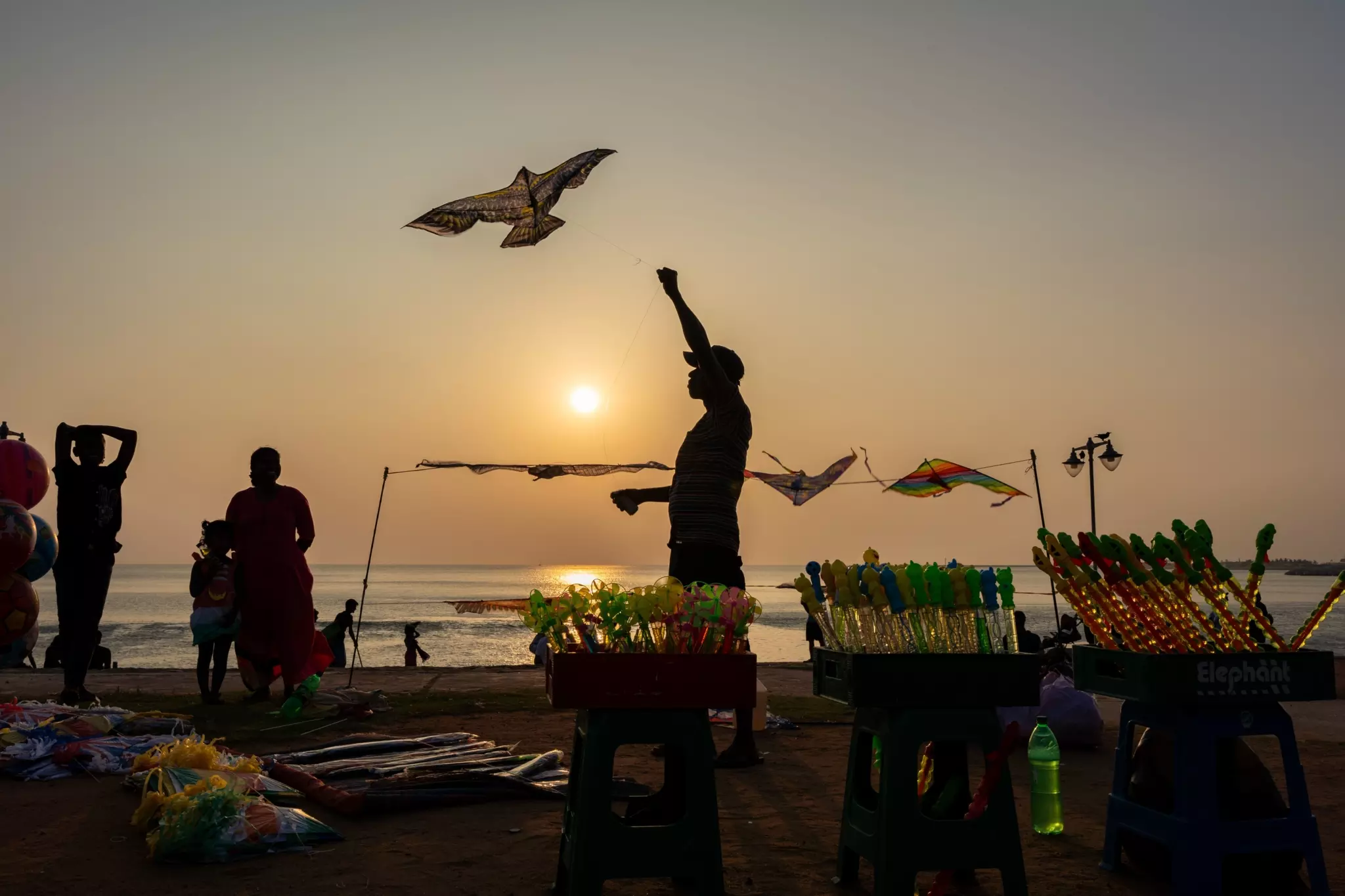
Indonesia is a family-friendly destination, provided you choose suitable activities. For example, children love walks in Sumatra’s parks or kite-making workshops in Bali. The beaches of the Gili Islands, car-free with shallow waters, are ideal for little ones.
To avoid any hassle, it is advisable to make sure vaccinations are up to date (hepatitis A, typhoid) and to bring a first-aid kit. A tailor-made travel agency can arrange itineraries with short stages and family-friendly accommodation, such as villas with a pool or all-inclusive resorts.


Travel to Indonesia
Why choose Indonesia for a tailor-made trip
A trip to Indonesia offers an immersion in an archipelago of varied landscapes, from the rice fields of Bali to the volcanoes of Java. Travellers looking for an authentic stay in Indonesia will find a destination where each island reveals well-preserved traditions and unique ecosystems. A travel agency specialised in Asia can turn this dream into reality by tailoring every step to the traveller’s wishes.
Indonesia stands out for its cultural and natural diversity. A tour in Indonesia lets you discover thousand-year-old temples like Borobudur, deserted beaches with turquoise waters, and jungles home to rare wildlife. In practical terms, a traveller can combine a hike on Mount Bromo in Java with a night in a traditional house in Bali, all accompanied by a French-speaking local guide.
Choosing a tailor-made trip to Indonesia helps you avoid the pitfalls of standardised itineraries. For example, a family can prioritise child-friendly activities, such as an introduction to Balinese dance or a visit to an orangutan rehabilitation centre in Sumatra. Solo travellers, meanwhile, can immerse themselves in remote villages to share in the locals’ everyday life.
How to build a personalized itinerary
A successful itinerary in Indonesia is built through co-creation with a local travel designer. This professional, based on site, knows the “hidden gems” that are inaccessible to typical tourists. For example, they can arrange a purification ceremony in a Hindu temple in Bali or a meeting with batik artisans in Yogyakarta. These experiences, often overlooked by guidebooks, turn a simple trip into a memorable adventure.
For a tailor-made trip to Indonesia, it is essential to define your priorities: culture, adventure, relaxation, or local engagement. A diving enthusiast will choose the seabeds of the Komodo Islands, while a history lover will focus on Java’s sites. A tailor-made travel agency adapts every detail, from accommodation to transportation, to avoid wasted time and unpleasant surprises.
The commitments of responsible and sustainable travel
Responsible travel in Indonesia means respecting local communities and ecosystems. The Travelife certification, obtained by some agencies, guarantees sustainable practices, such as choosing eco-friendly accommodations or reducing plastic waste. For example, a traveler can take part in a reforestation project in Lombok or support a local school in Flores.
Sustainable travel in Indonesia also involves simple actions: opting for public transportation, avoiding excursions that disturb wildlife, or buying handicrafts directly from producers. A French-speaking local travel agency in Indonesia can raise travelers’ awareness of these issues and offer practical alternatives, such as hikes with guides from the villages you pass through.
Must-visit islands: Bali, Java and Lombok
Bali, often called the “Island of the Gods,” charms visitors with its terraced rice paddies and hilltop temples. A trip to Bali can include a night in a floating house on Lake Bratan or an introduction to Balinese cooking with a local family. Travelers seeking adventure will prefer hikes in the mountains of Munduk or diving around the Gili Islands.
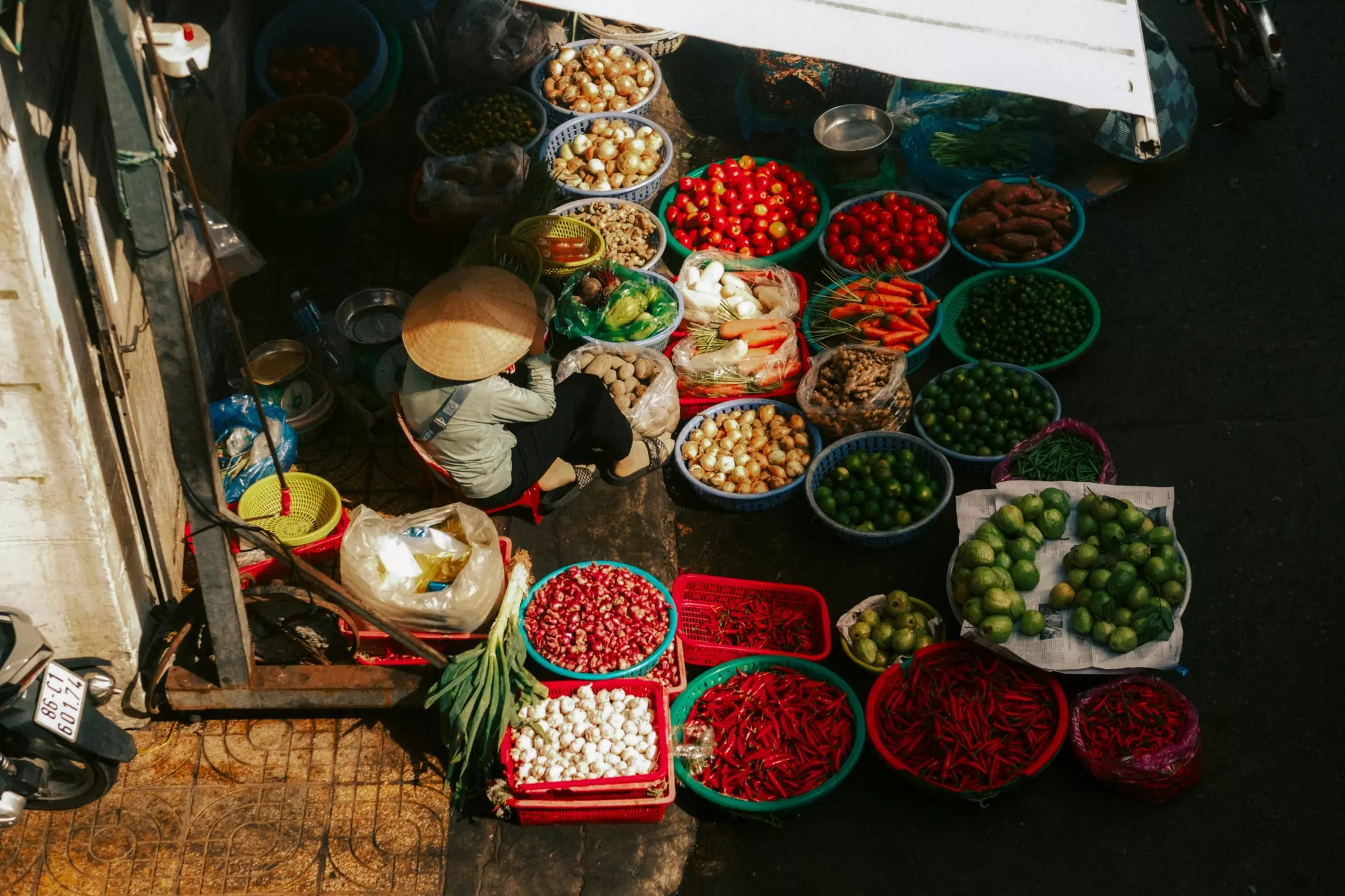
Java, Indonesia’s historic heart, is home to UNESCO-listed sites such as Borobudur and Prambanan. A trip to Java lets you combine culture and nature, with stops like visiting a wayang (shadow theatre) workshop or climbing Mount Merapi. Food lovers will enjoy the local markets, where they can sample specialties such as gudeg, a jackfruit-based dish.
Lombok, less visited than Bali, offers unspoiled landscapes and deserted beaches. A trip to Lombok can include a hike to the summit of Rinjani, an active volcano, or exploring the Gili Islands while snorkeling. Travelers in search of authenticity will find Sasak villages here, where ancestral traditions are still very much alive.

 Français
 English


