











22
FAQ about your trip to Asia
What are the best times of year to travel in Asia?
The best time for a trip to Asia depends on the regions you want to visit. In Southeast Asia, such as Thailand, Vietnam or Cambodia, the dry season, from November to February, is ideal to avoid torrential rain. On the other hand, for destinations like India or Sri Lanka, the period from December to March is recommended to enjoy a milder climate.
For East Asian countries, such as Japan or South Korea, spring (March to May) and autumn (September to November) offer pleasant temperatures and magnificent landscapes, such as cherry blossoms or red maples. In Central Asia, such as Nepal or Bhutan, the months of October and November are perfect for trekking, with clear views of the Himalayan peaks.
How to choose a local travel agency in Asia?
To choose a local travel agency in Asia, give priority to those with a physical presence on the ground and a team of French-speaking travel designers. A local agency knows the best addresses, the pitfalls to avoid, and the little-known “hidden gems” tourists miss. Also check their commitments to responsible tourism, such as Travelife certification or partnerships with local associations.
Traveller reviews are a good indicator of service quality. Check platforms like TripAdvisor or social media to read feedback and experiences. A reputable agency will also answer your questions transparently and provide a detailed quote, with no hidden fees. Finally, make sure it offers personalised support, with a dedicated point of contact to adjust your itinerary along the way.
What are the advantages of a tailor-made trip to Asia?
A tailor-made trip to Asia offers several advantages over a classic organized tour. First, it allows you to personalize every detail of your Asia itinerary according to your interests, budget, and pace. Whether you’re passionate about food, history, or nature, your program will be tailored to your wishes.
Next, a tailor-made trip gives you access to authentic experiences, far from the tourist crowds. Local travel designers guide you to lesser-known places, such as spending a night in a floating house in Vietnam or hiking through the rice fields of Bali. Finally, this approach offers great flexibility: you can adjust your route along the way, depending on what you discover or any unexpected events.
How to travel responsibly in Asia?
Traveling responsibly in Asia means respecting the environment, local cultures, and communities. For sustainable travel in Asia, start by choosing eco-friendly accommodations, such as certified lodges or guesthouses run by local families. Opt for public transportation or train journeys to reduce your carbon footprint.
Respect local customs by dressing modestly in religious sites and asking permission before taking photos. Avoid activities that exploit animals, such as elephant rides, and support community projects by buying handcrafted products or taking part in local workshops. Finally, reduce your plastic use by carrying a reusable water bottle and refusing single-use bags.
What administrative formalities are required for a trip to Asia?
Administrative requirements for a trip to Asia vary depending on the destination, the travellers’ nationality, and the length of stay. Some destinations allow visa-free entry for short stays, while others require an authorisation or a visa. We recommend that you always check the entry requirements specific to your destination before departure.
Also check the health requirements. Some countries, such as Indonesia, require a yellow fever vaccination if you are coming from a high-risk area. Others, such as Cambodia, recommend vaccinations against hepatitis A and typhoid fever. Finally, make sure your passport is valid for at least six months after your return date and has blank pages for entry and exit stamps.
Travel in Asia
Why choose a tailor-made trip in Asia?
A trip to Asia offers an immersion into ancient cultures, breathtaking landscapes, and unique experiences. Whether you dream of paradise beaches, terraced rice fields, or encounters with local communities, this continent is full of possibilities for a memorable stay in Asia. Specialized agencies design tours in Asia tailored to your wishes, prioritizing authenticity and respect for ecosystems.
Choosing a tailor-made trip to Asia allows you to personalize every detail of your itinerary in Asia. Unlike traditional package tours, this approach gives you the freedom to choose the stops, the duration, and the activities according to your interests. For example, a traveler passionate about gastronomy can include traditional cooking classes, while a nature lover will favor hikes in unspoiled national parks.
Local travel designers, based on the ground, know the best addresses and the little-known “hidden gems” that tourists often miss. They steer clear of tourist traps and guide you toward authentic experiences, such as a night in a floating house in Vietnam or an immersion in a traditional village in Laos. This approach guarantees an authentic trip to Asia, far off the beaten path.
Another major advantage is flexibility. Unexpected events, like fickle weather or a sudden desire to change your route, are easily managed. Local agencies adjust your program in real time, which is impossible with a standardized trip. This flexibility is especially valuable for families or travelers in search of adventure.
Must-visit destinations for a tailor-made trip to Asia
Asia offers a wide range of destinations, each providing unique experiences. Here are a few must-sees for a tailor-made trip to Asia.
Sri Lanka charms visitors with its fine sandy beaches, tea plantations and Buddhist temples. A tour can combine discovering the old town of Galle, a UNESCO-listed site, with a hike in the hills of Nuwara Eliya. Wildlife lovers will enjoy Yala National Park, home to leopards and elephants.
Vietnam is ideal for those looking for a blend of culture, history and nature. Hanoi, with its lively Old Quarter, and Ha Long Bay, a World Heritage Site, are must-see stops. For a more intimate experience, the rice terraces of Sapa or the islands of Lan Ha Bay offer breathtaking scenery.
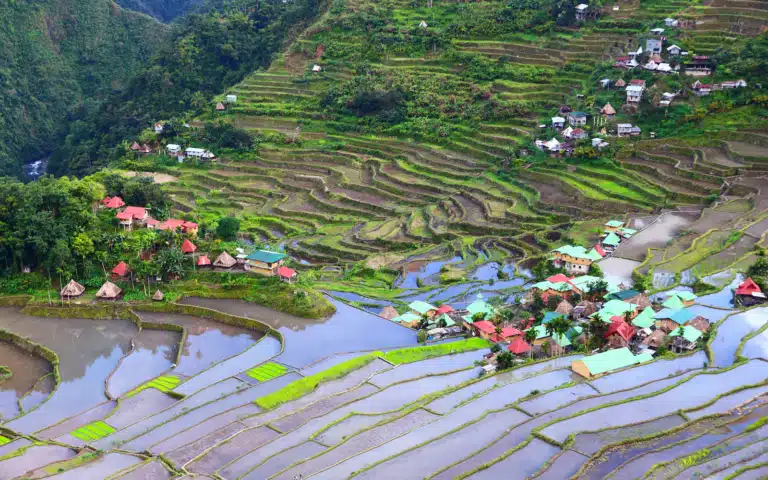
Indonesia is perfect for travellers in search of variety. Bali, with its temples and terraced rice fields, draws those who love spirituality and nature. Java, for its part, is home to historic sites such as Borobudur Temple and active volcanoes like Merapi. For a wilder getaway, Lombok and its deserted beaches are a true haven of peace.
The Maldives are synonymous with luxury and relaxation. Overwater resorts, turquoise waters and coral reefs make it a popular destination for honeymoons or romantic getaways. For a more authentic experience, some local islands offer homestays, far from the big hotel complexes.
Responsible travel in Asia: how can you combine pleasure and sustainability?
Responsible travel in Asia is based on simple but essential principles to preserve ecosystems and support local communities. Committed agencies, like Atypique Voyages, build these values in from the very first steps of designing your sustainable trip in Asia. For example, they prioritize eco-responsible accommodation, such as Green Key–certified lodges or guesthouses run by local families.
Transport is another lever to reduce your carbon footprint. For short distances, choose train or bus journeys rather than flying. In Ceylon, for instance, the train linking Kandy to Ella offers spectacular scenery while limiting environmental impact. Local agencies also suggest optimized itineraries to avoid unnecessary travel.
Raising travelers’ awareness is also crucial. Before you leave, briefings are organized to inform you about the right habits to adopt, such as avoiding single-use plastics or respecting local customs. Some agencies go further by donating part of their profits to community projects, such as protecting coral reefs in the Philippines or reforestation in Nepal.
Finally, the choice of activities plays a key role. Opt for experiences that showcase local heritage, such as craft workshops or tours guided by residents. Avoid attractions that exploit animals, such as elephant rides in Thailand, and favor ethical sanctuaries where animals are cared for and protected.
How to plan your itinerary in Asia properly?
Planning an itinerary in Asia requires good organization to make the most of your stay in Asia. The first step is to define your priorities: culture, adventure, relaxation, or a mix of all three. Once you’ve identified your interests, a local travel agency in Asia can help you fine-tune your route based on the length of your trip and your budget.
Seasonality is a criterion not to be overlooked. For example, the monsoon affects different regions at different times. In Thailand, the rainy season runs from May to October, while in Vietnam it varies between the north and the south. A French-speaking travel agency in Asia will be able to advise you on the best times to visit each destination.
Administrative formalities should also be anticipated. Some countries require a visa, such as India or Cambodia, while others, like Thailand, offer exemptions for short stays. Also check health requirements, such as recommended vaccines (hepatitis A, typhoid fever) or mandatory ones (yellow fever for certain countries).
Finally, allow some flexibility in your schedule. Unexpected events, such as a transport delay or an unplanned discovery, are part of the charm of traveling in Asia. A free day in your itinerary will allow you to adapt without stress and fully enjoy every moment.




 Français
 English