





FAQ about your trip to Ceylon
What is the best time of year to travel to Ceylon?
Ceylon can be visited year-round, and the best time depends on the regions you want to explore. For the west and south coasts, opt for December to April, when rainfall is scarce and temperatures are pleasant. By contrast, the east coast is best from April to October. If you’re planning a tour in Ceylon covering several areas, a travel designer can help you optimize your itinerary according to the seasons.
Do you need to use an agency to plan your trip to Ceylon?
Using a bespoke travel agency offers several advantages, especially if you’re looking for an authentic trip to Ceylon. Local agencies know the little-known “hidden gems” and can help you avoid tourist traps. They also handle accommodation bookings, transportation and guides, which greatly simplifies the planning.
However, if you prefer to travel independently, make sure you prepare your itinerary in Ceylon well in advance. Book your accommodation and transport (such as the train to Ella) several weeks before you leave, especially during high season.
What are the must-see sites to include in an itinerary in Ceylon?
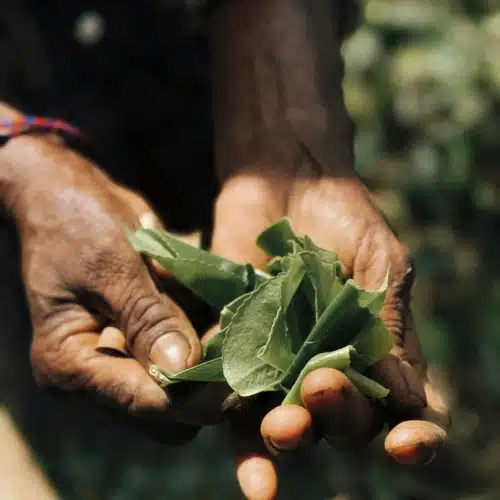
A successful itinerary in Ceylon generally includes the following sites: Sigiriya, the “Lion Rock” fortress, a UNESCO World Heritage Site; the temples of Kandy, including the Temple of the Tooth; the tea plantations of Nuwara Eliya; and national parks such as Yala or Udawalawe to spot wildlife.
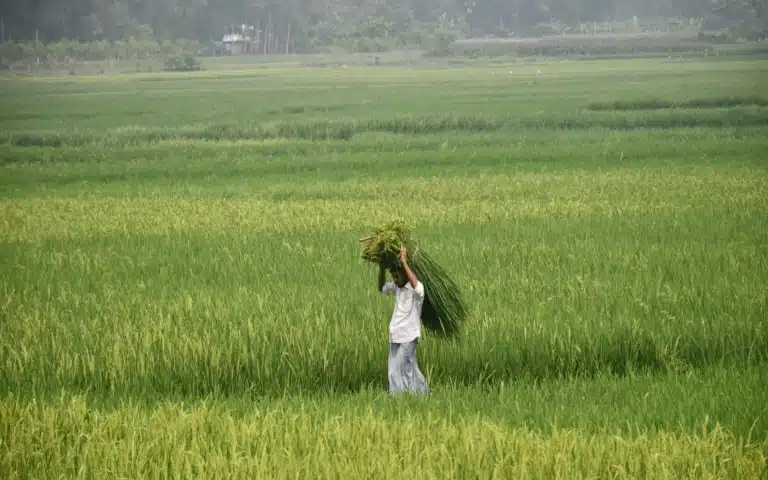
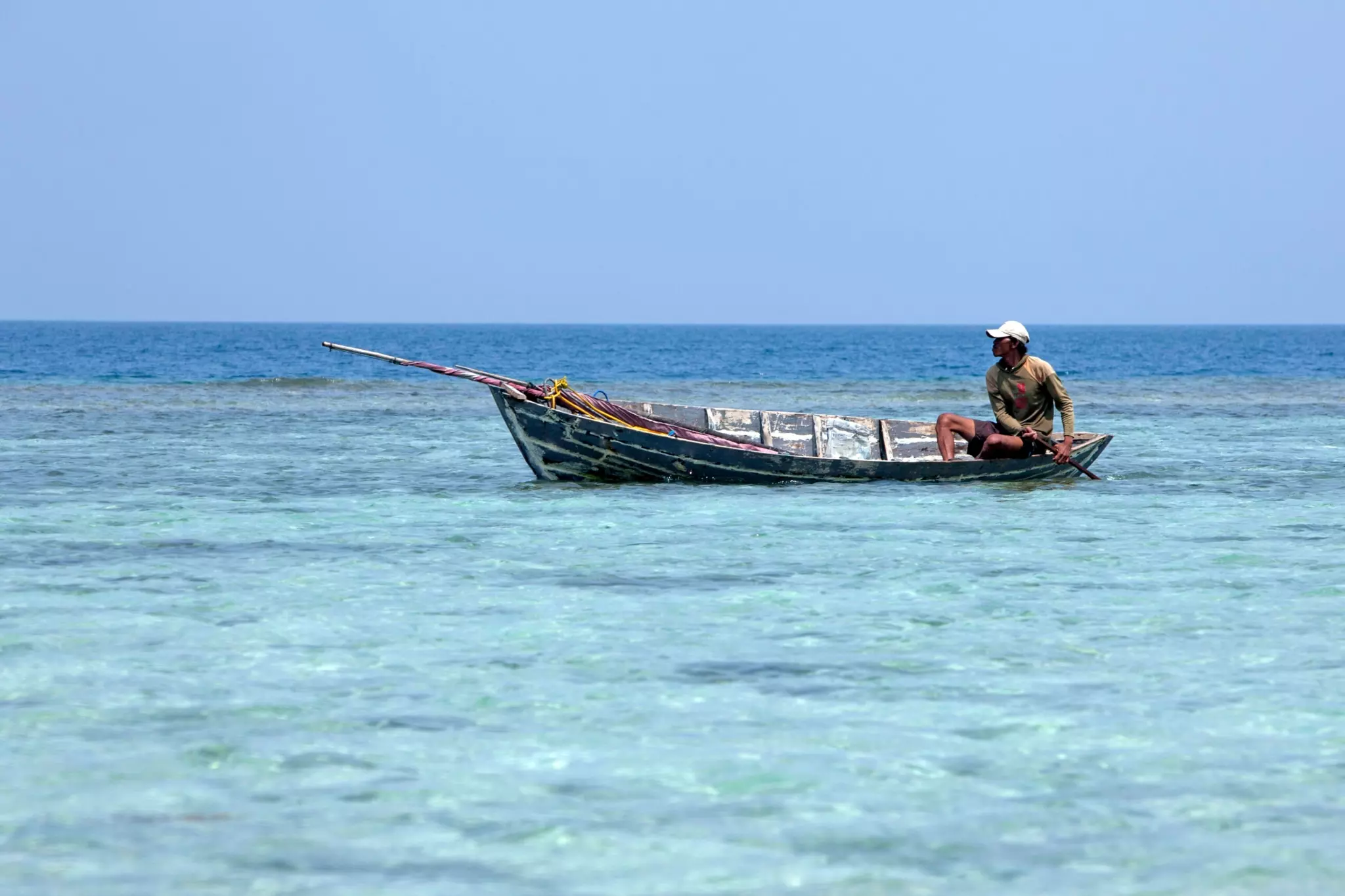
For a more immersive experience, add less touristy stops, such as the fishing villages of Negombo or the rice paddies of Belihuloya. A French-speaking travel agency in Ceylon can offer you guided tours led by locals, who will share anecdotes and traditions often overlooked by standard guidebooks.
How can you make sure your trip to Ceylon is responsible?
For a responsible trip to Ceylon, choose service providers certified by Travelife or committed to sustainable practices. Opt for eco-friendly accommodation, such as lodges that use renewable energy or guesthouses run by local families. Reduce your plastic consumption by using a reusable water bottle and avoiding disposable bottles.
Also support local initiatives by buying handicrafts directly from producers or visiting community projects. For example, some agencies offer excursions to villages where tourism revenue funds schools or health centers.
What are the advantages of a tailor-made trip to Ceylon?
A tailor-made trip to Ceylon allows you to personalize every detail of your stay, from accommodation to activities. Unlike a group tour, you can adjust your pace, choose unique experiences, and avoid the crowds. For example, you could spend a night in a floating house on Lake Gregory or join a cooking workshop with a Sri Lankan family.
Local travel designers, like those at Atypique Voyages for a trip to Asia, work closely with you to create an itinerary that matches your interests. Whether you’re passionate about hiking, history, or gastronomy, they will be able to suggest suitable activities while respecting your time and budget constraints.
Finally, a personalized trip to Ceylon often includes services such as a private driver or a French-speaking guide, making travel easier and enriching your experience thanks to their local knowledge. To discover other similar Asian destinations, explore the options for a trip to Sri Lanka with the same tailor-made approach.



Travel to Ceylon
Why choose a stay in Ceylon for your next trip
Planning a trip to Ceylon requires careful preparation to discover the hidden treasures of this South Asian island. Between paradise beaches, lush green mountains and ancient cultures, Ceylon offers a unique diversity. A local travel agency in Ceylon can help you design an itinerary tailored to your wishes, while avoiding tourist traps.
Ceylon, now known as Sri Lanka, captivates visitors with its varied landscapes and historical heritage. A stay in Ceylon lets you combine relaxation and adventure, with must-see stops such as the temples of Kandy, the tea plantations of Nuwara Eliya, or national parks like Yala. Travelers often seek an authentic immersion, away from the crowds—something a French-speaking travel agency in Ceylon can facilitate thanks to local guides.
In 2024, more than 2 million tourists visited Sri Lanka, according to data from the Sri Lanka Tourism Board. This level of visitation reflects the growing appeal of the destination, but also the need to prioritize responsible travel in Ceylon to preserve ecosystems and local communities.
A concrete example: on a tailor-made trip to Ceylon, you could spend a night in a guesthouse run by a local family rather than in an international hotel. This approach encourages cultural exchanges and supports the local economy.
How to plan a Ceylon itinerary tailored to your wishes
A well-designed tour of Ceylon alternates between cultural visits, hikes, and relaxation time. To avoid common mistakes, such as overloading your Ceylon itinerary, it is advisable to focus on three or four regions. For example, combine Colombo, the capital, with the historic sites of the Cultural Triangle (Anuradhapura, Polonnaruwa, Sigiriya), the famous Ceylon tea plantations, and finish with the beaches of the south.
The travel designers at a tailor-made travel agency can suggest lesser-known “hidden gems,” such as a visit to a traditional artisanal batik workshop or a secluded hike in the Knuckles Mountains. These experiences, often missing from guidebooks, make an authentic trip to Ceylon unforgettable.
Also plan for downtime. Car journeys can be long due to winding roads, and high temperatures at midday encourage you to slow the pace. A typical day might include a morning visit, followed by lunch at a local restaurant and a free afternoon to rest or explore at your own pace.
Commitments for responsible and sustainable travel in Ceylon
Choosing a **sustainable trip to Ceylon** means selecting providers committed to an ethical approach. The Travelife certification, obtained by certain agencies, guarantees compliance with environmental and social criteria. For example, Atypique Voyages offers to offset the CO₂ emissions of its trips and donates part of its profits to local projects through its foundation.
On site, simple actions make all the difference: prioritising eco-friendly accommodation, avoiding single-use plastics, or taking part in activities that support communities. During a **tailor-made trip to Ceylon**, you could visit a reforestation project or meet local artisans whose work is preserved thanks to tourism.
Travellers are also encouraged to respect local customs, such as covering their shoulders and knees in temples. These small considerations strengthen exchanges with locals and limit the cultural impact of mass tourism.
Pitfalls to avoid when preparing your trip
A poorly planned trip to Ceylon can hold some unpleasant surprises. Here are the mistakes to avoid:
First, overlooking the rainy season. The climate varies by region: the west and south coasts are ideal from December to March, while the east coast is more pleasant from April to September. A local travel agency in Ceylon will be able to advise you on the best times for each stage of your Ceylon itinerary.
Second, underestimating distances. Although the island is small, the roads are often narrow and winding. Plan for 3 to 4-hour drives to connect places such as Kandy and Ella, for example. One solution is to limit the number of destinations to avoid exhaustion.
Finally, being unfamiliar with entry requirements. Since 2024, travelers must obtain an electronic visa (ETA) before arrival. Specialist agencies can support you with these formalities for a stress-free stay in Ceylon.




 Français
 English