



- Explore rural Bali in an Eco Jeep in a preserved area.
- Learn about rubber tree cultivation and the transformation of latex into rubber.
- Discover vanilla, clove, coconut, and banana plantations.
- Understand the artisanal production of palm sugar.
- Have lunch with a panoramic view over the jungle and the ocean.
An immersion in agricultural Bali
In western Bali, the Jembrana region reveals a more low-key area, far from the busiest routes. Here, the landscape is largely shaped by tropical crops and farming villages. The Eco Jeep Tour offers a way to understand its logic through a 4×4 exploration along the tracks of the Pulukan estate. This experience is offered by our responsible travel agency, committed to discovering unspoiled, vibrant territories.
The experience unfolds over time, following the rhythm of the land—between observing the landscapes, understanding the crops, and discovering a very lively rural Bali. A day designed as a gradual reading of the area and of agricultural know-how, to be enjoyed as part of a trip to Indonesia.
In the heart of the Jembrana plantations
The day begins with pick-up from your hotel on the west coast. Before long, you leave the shoreline behind to head inland to Jembrana, towards the Pulukan estate, a vast state plantation located near Pekutatan. The change of scenery is gradual but striking: coastal areas give way to a more open, raw landscape, shaped entirely by agriculture.
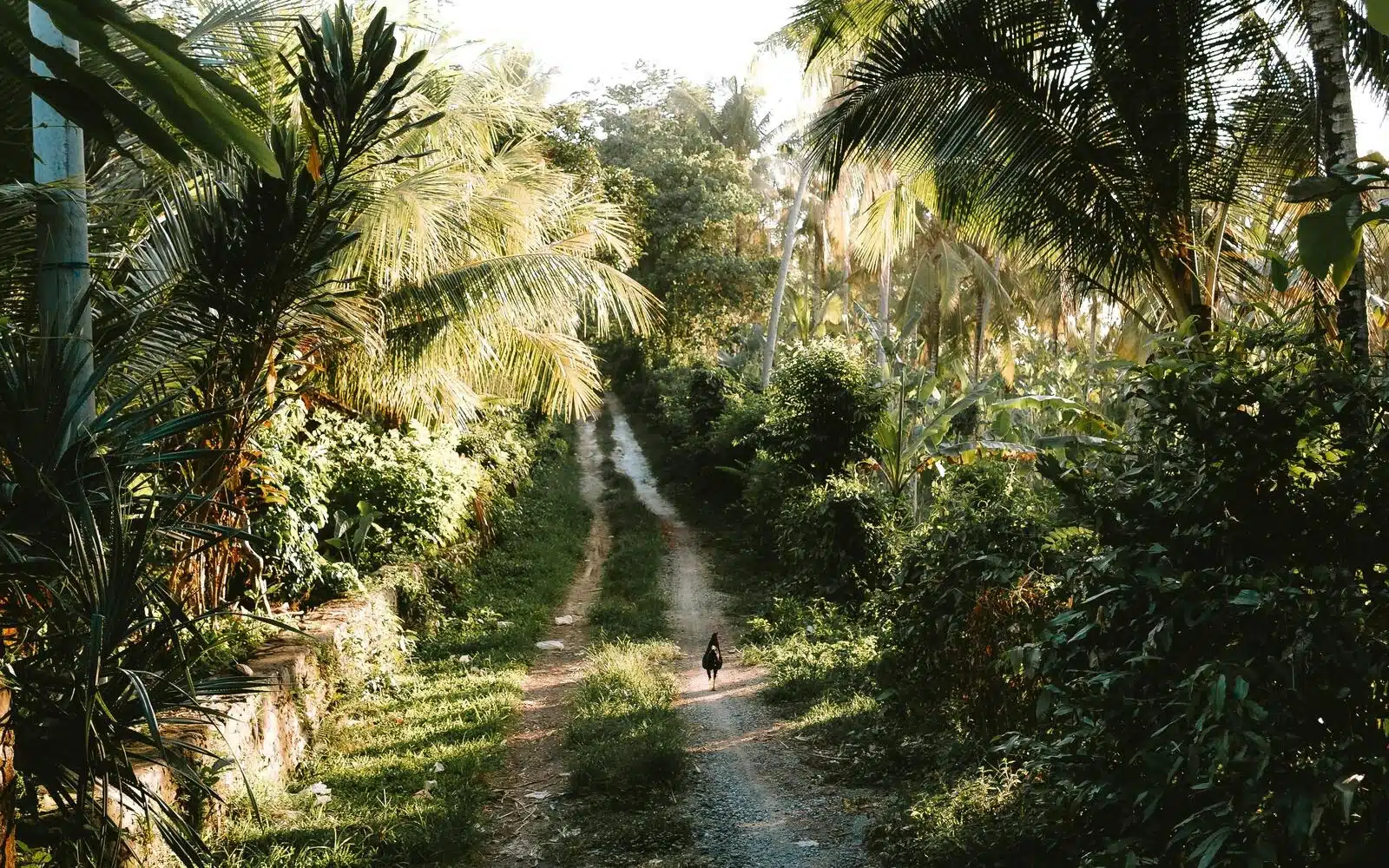
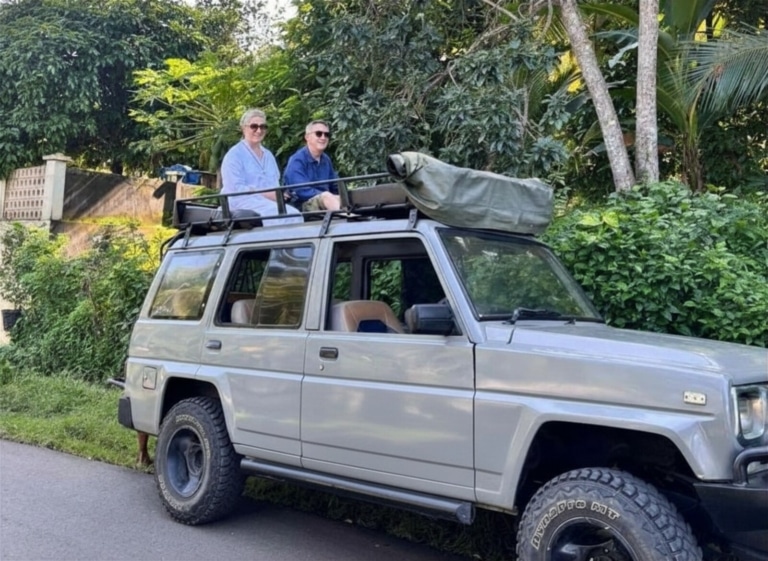
The estate covers more than 1,100 hectares—an expansive territory where you immediately grasp the scale of local agricultural organisation. In a Jeep, you follow a network of tracks crossing tropical crops, wooded areas and still-working plots. The vehicle moves slowly, following the uneven terrain, in a quiet atmosphere where every turn offers a new reading of the landscape.
Here, everything is about rhythm and observation. Roads are no longer fast transit routes, but lines of discovery. Little by little, you understand how the territory has been structured around plantations, how spaces follow on from one another and echo each other. The guide supports this interpretation, providing reference points on how the estate is organised and the agricultural logic that shapes it.
Very quickly, a different perception of Bali takes hold. Far from the seaside images of the south of the island, Jembrana reveals a daily life rooted in the land, where agriculture remains at the heart of activity. The journey becomes a gradual immersion in a lived-in landscape—worked, and still fully active.
Tropical crops, know-how and reading the landscape
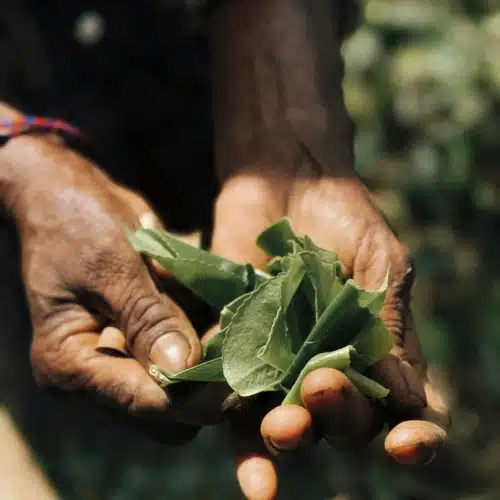
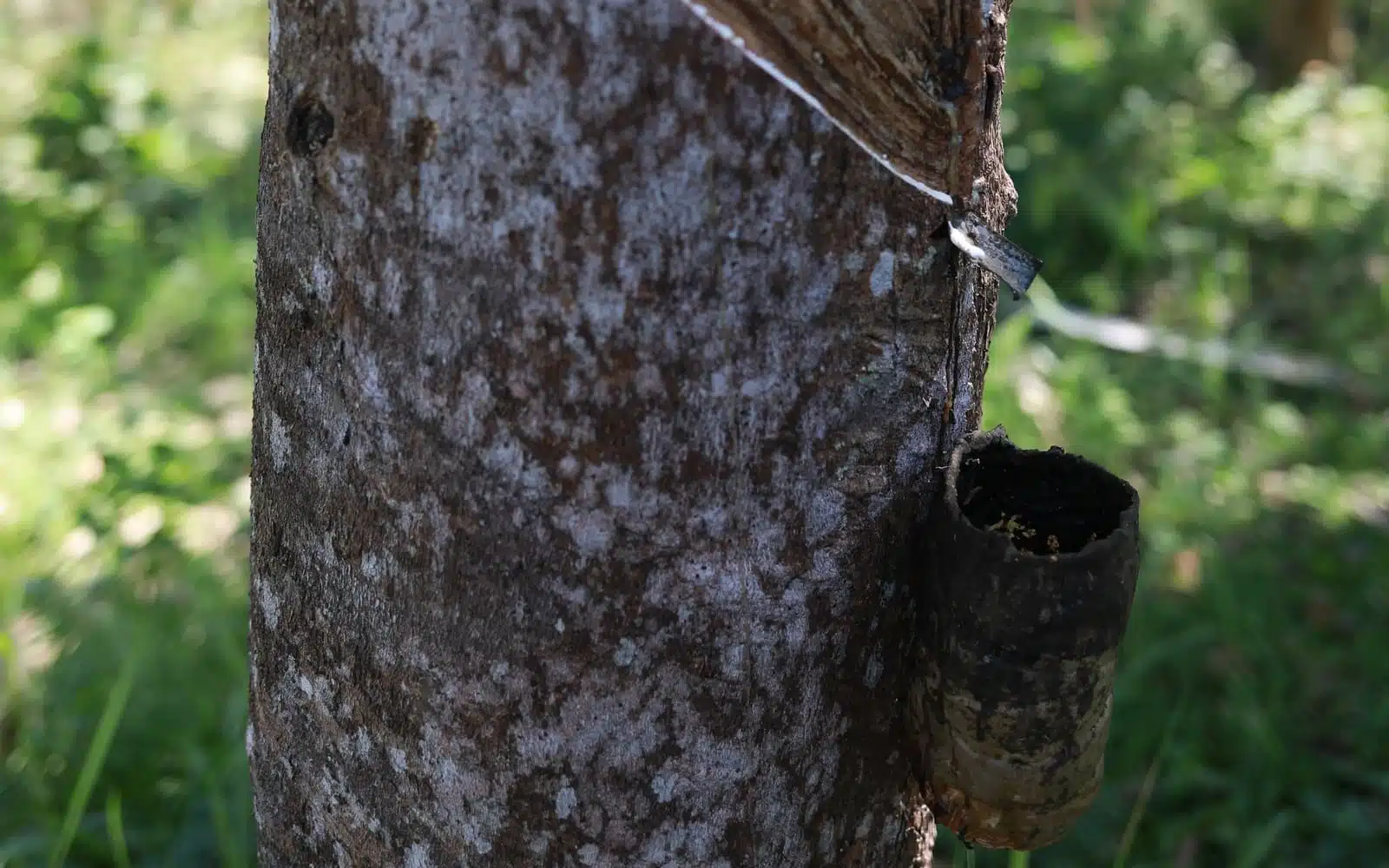
The route continues into the heart of the rubber tree plantations, essential to rubber production. The guide explains the role of these trees, latex-harvesting techniques and how these operations work overall. The scored bark, the collection of sap and the steady rhythm of the work help you understand a precise, well-structured farming system.
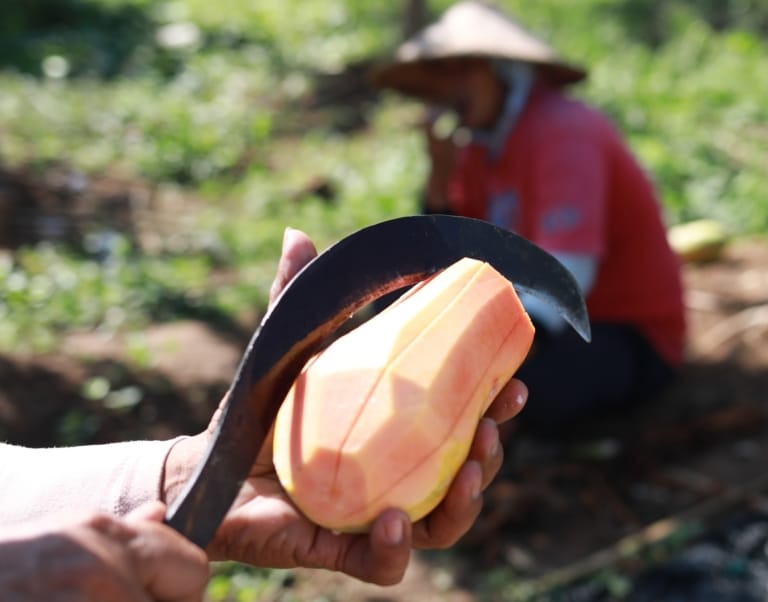
The experience remains focused on observing the estate. There is no hands-on participation in production activities, but rather a careful reading of what is happening in the plantations. Depending on the time, the presence of workers in certain plots highlights the still-living nature of these agricultural spaces.
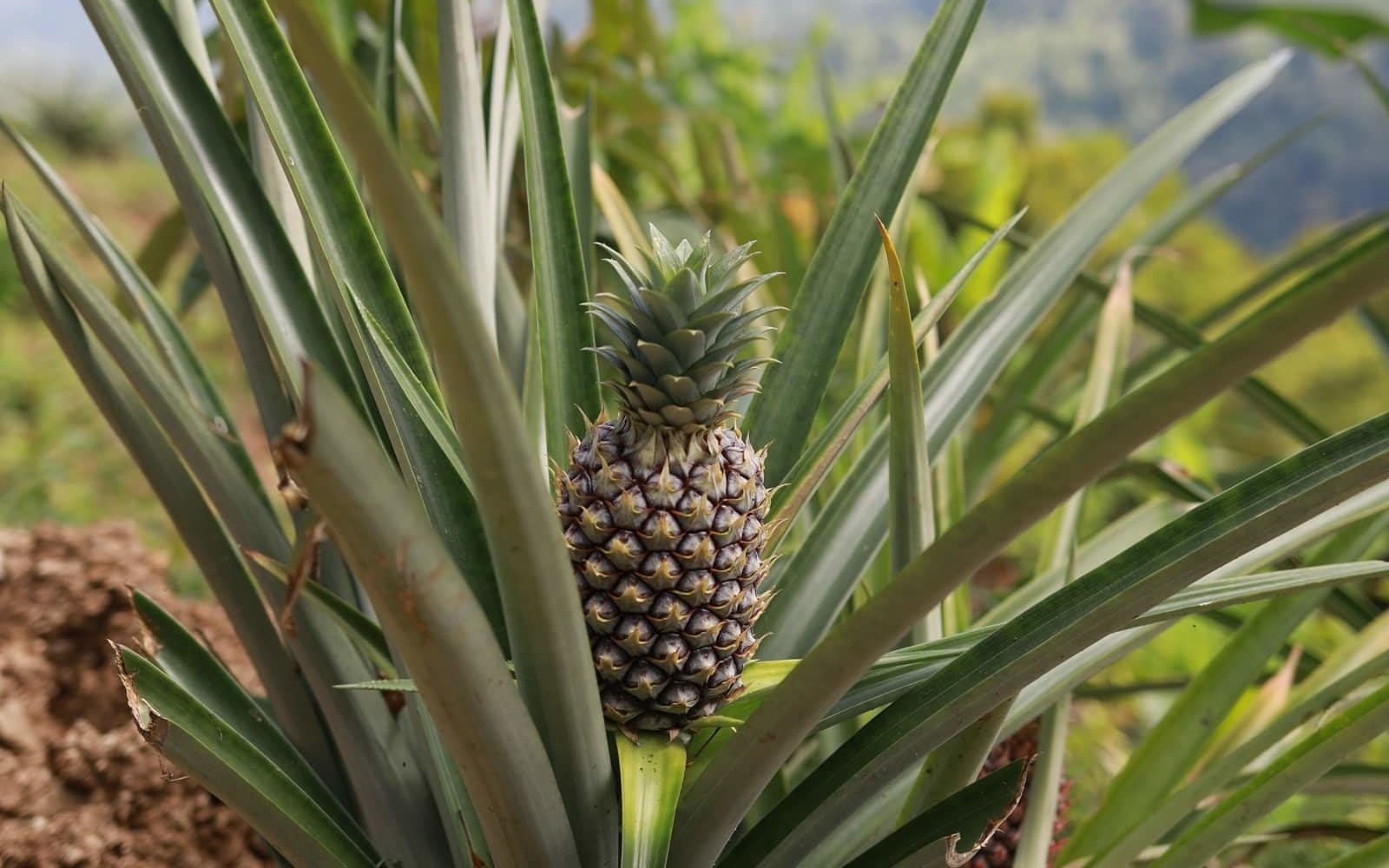
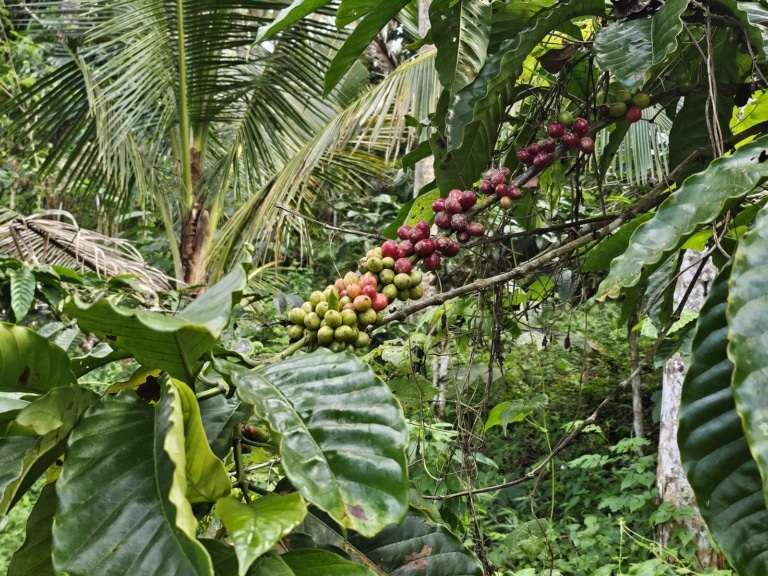
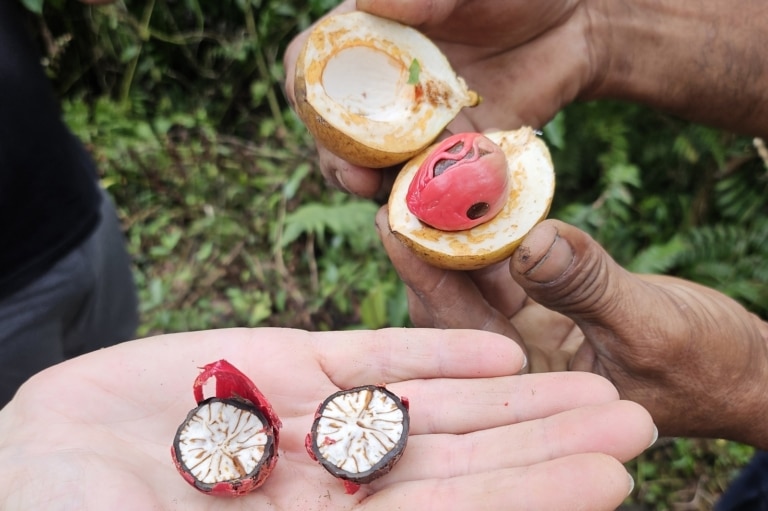
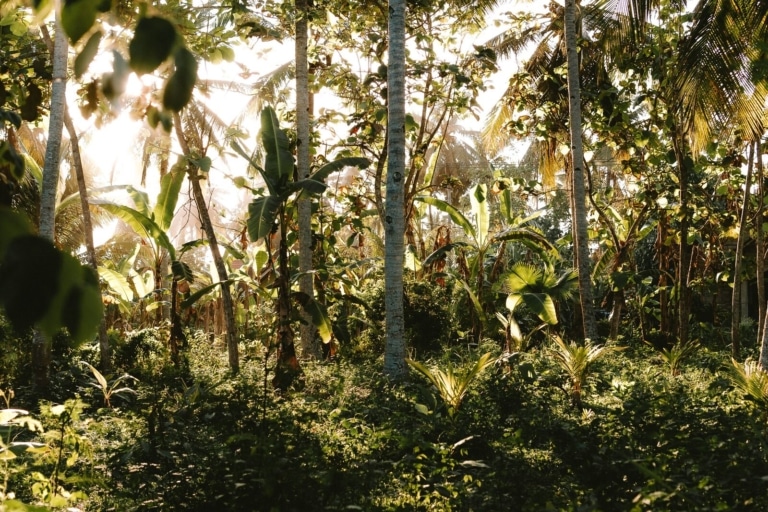
Further on, the tracks pass through other emblematic crops of western Bali. Coconut palms and banana trees shape a familiar landscape, complemented by plots dedicated to vanilla and cloves. Each crop has a defined place, contributing to a coherent agricultural organisation that is easy to read at the scale of the territory.
A stop also offers the chance to discover the traditional production of palm sugar. Using palm sap, producers make gula aren, an essential ingredient in Indonesian cuisine. The process is explained simply: harvesting, cooking, then gradual reduction until a dense, fragrant paste is obtained.
Back to the coast and a look at a vibrant rural Bali
The final part of the Eco Jeep Tour gains elevation. The vehicle reaches a viewpoint at around 300 metres above sea level, offering a break along the way. Lunch, served as a picnic, takes place in an open setting, ideal for observation.
From this vantage point, the landscape unfolds in two contrasting directions: on one side, the jungle and forested ridges of the island’s interior; on the other, the Indian Ocean stretching out to the horizon. This moment offers a chance to revisit the day through its landscapes and the spaces you have crossed.
The return to the coast then happens gradually. The relief softens, the tracks rejoin coastal roads, and you come back to the volcanic sand beaches. This transition marks the end of the exploration, between agricultural land and the seaside.
The Jembrana region is also shaped by traditions linked to its rural history, notably the buffalo races known as Makepung. Born from fieldwork, these competitions illustrate the close link between agriculture, culture and community life in this part of Bali.

 Français
 English