


Tea plantations in Sri Lanka are among the island’s most iconic landscapes. Between lush green hills, light mist and rows of tea bushes stretching as far as the eye can see, they offer a unique immersion into the country’s history, culture and traditions.
Whether you’re preparing your trip with Atypique Voyages or looking for ideas to discover Sri Lanka, visiting the tea-producing regions is one of the unmissable experiences to enjoy on the island.
Once known as Ceylon, Sri Lanka is now famous worldwide for its refined tea, appreciated for its subtle aromas and wide diversity of flavours. Discovering tea plantations also means understanding a colonial legacy, observing meticulous know-how, and learning how to taste Ceylon tea in the best conditions.
Tea plantations in Sri Lanka: a historical legacy

The history of tea in Sri Lanka is closely tied to the British colonial period. At the beginning of the 19th century, the island mainly grew coffee for export. But when coffee plantations were hit by disease, the colonists looked for a new crop suited to the local climate.
Tea then naturally established itself. The highlands in the centre of the country, with their altitude, cool temperatures and humidity, offered ideal conditions for this demanding crop. Little by little, the Sri Lankan hills were covered with tea bushes, giving rise to one of the country’s most important industries.
Even today, Ceylon tea remains one of Sri Lanka’s major symbols. It contributes to the national economy and is an integral part of the island’s cultural identity.
Where can you see the most beautiful tea plantations in Sri Lanka?
The mountainous regions in central Sri Lanka are the most renowned for tea growing. They captivate travellers with spectacular landscapes, hilltop villages and winding roads lined with plantations.
Among the best-known areas are the surroundings of Nuwara Eliya, Ella and Haputale. These regions offer a cool and peaceful atmosphere, very different from the tropical beaches in the south or west of the country.
A plantation visit generally allows you to discover:
- terraced tea fields;
- the work of leaf picking;
- the processing stages at the factory;
- a tasting of different Ceylon teas;
- magnificent panoramas over Sri Lanka’s highlands.
To include this stop in your itinerary, you can check our example of a Sri Lanka itinerary.

From leaf to cup: meticulous know-how
Tea making is a precise process that requires experience and a great deal of attention. It all begins in the plantations, where the leaves are generally picked by hand.
The pickers select the most tender parts of the tea bush: the two young leaves and the bud. This selection is essential, as it directly influences the quality of the final tea.
Leaf withering
After picking, the leaves are spread out to lose part of their moisture. This stage, called withering, prepares the leaves for processing. It also helps to begin developing certain aromas.
Rolling
The leaves are then rolled to break their cells. This action releases essential oils and promotes oxidation. It is an important step in revealing the tea’s aromatic richness.
Oxidation
Oxidation is one of the key moments in the process. In contact with air, the leaves change and develop their colour, intensity and taste. This stage largely determines the tea’s character, especially for black teas.
Drying
Finally, the leaves are quickly dried at a high temperature. This drying stops oxidation, reduces moisture and ensures the tea keeps well.
How can you properly taste Ceylon tea?
Tasting Ceylon tea isn’t just about pouring hot water over leaves. To appreciate the full finesse of its aromas, a few simple steps can make all the difference.
Choose quality water
Water plays an essential role in the tea’s final taste. Opt for filtered water or spring water, which is more neutral and softer. Water that’s too hard or too chlorinated can mask delicate aromas.
Use the right temperature
Each type of tea requires a suitable temperature:
- black tea: between 90 and 95°C;
- green tea: between 70 and 80°C;
- white tea: between 60 and 70°C.
Water that’s too hot can make some teas bitter, while water that’s too lukewarm may not bring out their full complexity.
Master the steeping time
Steeping time also affects the balance on the palate:
- black tea: 3 to 5 minutes;
- green tea: 2 to 3 minutes;
- white tea: 1 to 2 minutes.
The ideal approach is to follow these guidelines, then adjust to your preferences.
Why visit a tea plantation during a trip to Sri Lanka?

Visiting a tea plantation in Sri Lanka is much more than a simple tourist activity. It’s an encounter with a landscape, a history, and a know-how passed down from generation to generation.
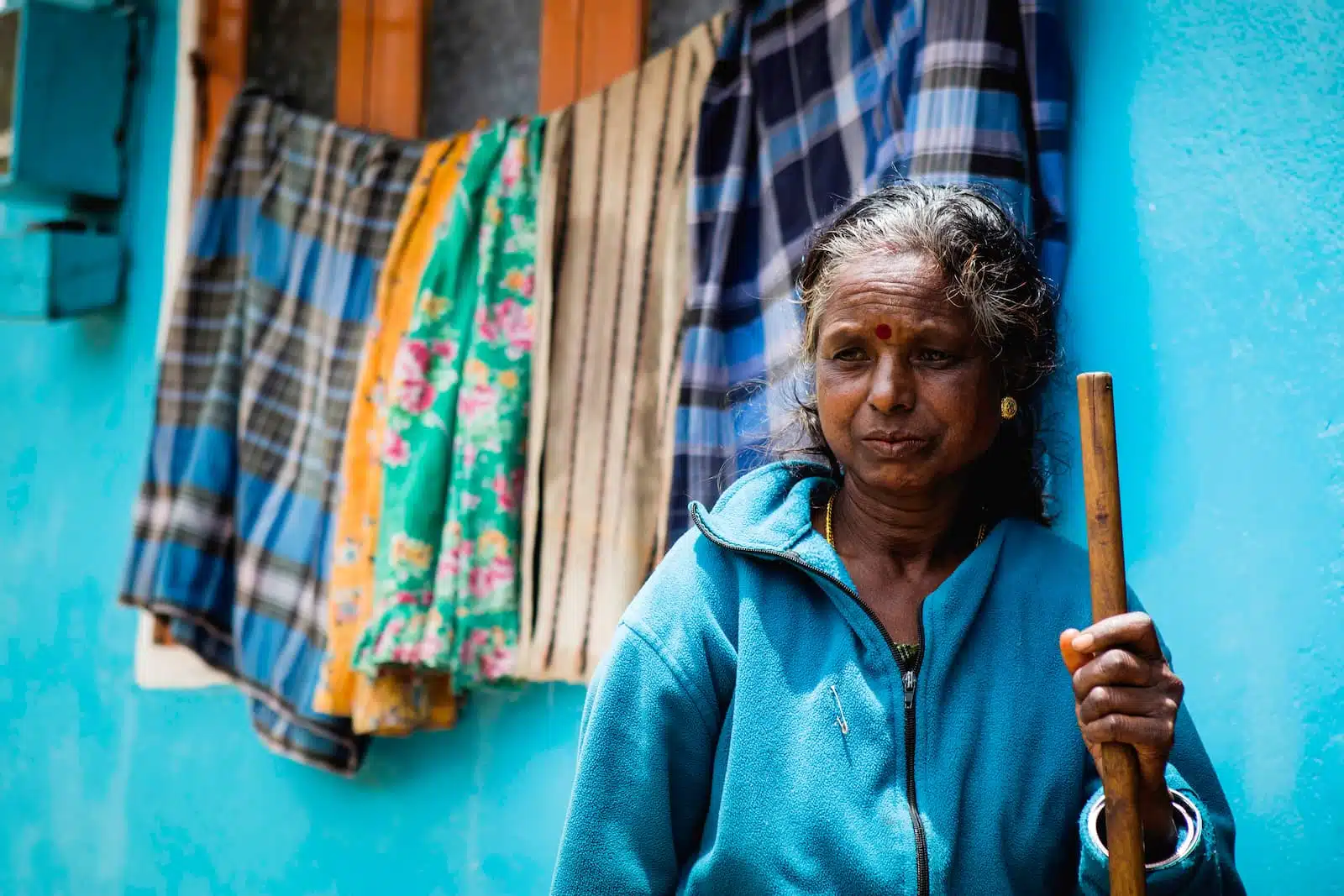
It offers a better understanding of the daily lives of the people who work in this industry, especially the Tamil communities who have been present for several generations in the mountainous regions. It also provides a peaceful moment, in the heart of some of the country’s most photogenic landscapes.
For curious travelers, nature lovers, or those passionate about local culture, this experience is an unmissable stop on a trip to Sri Lanka.
Key takeaways
The tea plantations in Sri Lanka tell an essential part of the island’s history. They reveal a living heritage, combining colonial legacy, farming traditions, and mountain landscapes of great beauty.
Whether you’re a tea lover or simply looking for an authentic experience, discovering Sri Lanka’s highlands promises to be a highlight of your stay. Between a factory visit, a walk through the plantations, and a Ceylon tea tasting, this stop offers another way to savor Sri Lanka.



 Français
 English


