


- Immerse yourself in the fascinating world of Sri Lanka’s gemstones.
- Enjoy a rich human experience and share the miners’ daily life..
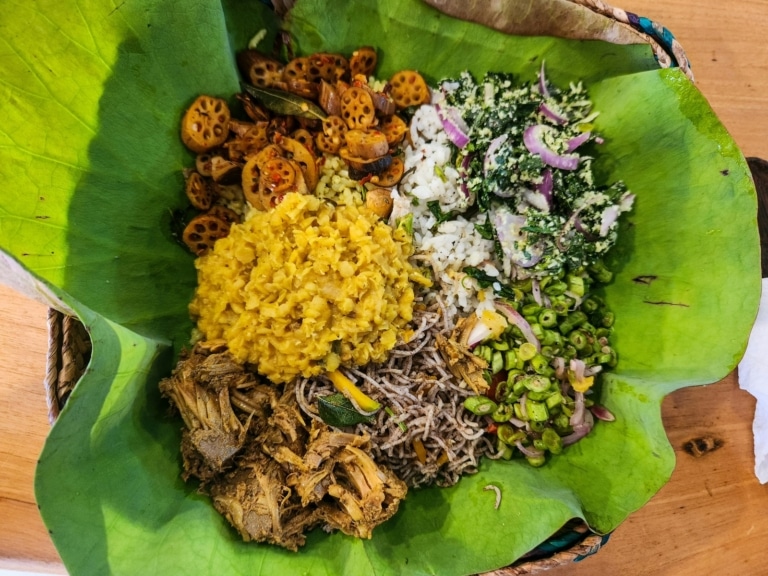
- Taste a delicious homemade « rice & curry »..
- Feel the adrenaline rise as you search for the much-coveted sapphire!
- Share an authentic moment off the beaten track.
In the daily life of gemstone seekers
In Ratnapura, in southern Sri Lanka, the quest for precious stones has shaped local life for centuries. Here, artisanal mines are as much a part of the landscape as family stories and know-how passed down from generation to generation. The very name of the city—“Ratnapura,” the city of precious stones—reflects the deep connection between this region and the sapphires, spinels, garnets and other gems extracted from Sri Lanka’s subsoil. This immersion is offered by our responsible travel agency, which favours authentic experiences as close as possible to local realities.
This experience offers far more than a simple mine visit. For a few hours, you share the daily life of those who devote their days to searching for the famous Ceylon blue sapphire. A rare immersion in a world still largely untouched by industrial processes, where the work relies above all on observation, patience and the men’s experience.
As a couple, with friends or as a family, this discovery is for all travellers curious to better understand Sri Lanka’s artisanal traditions and to get closer to a reality that is often little known. Behind the sparkle of cut stones lies meticulous, physical and deeply human work—something to discover during a trip to Sri Lanka.
An immersion in step with the mine
The morning begins with a fresh coconut, offered on your arrival by the mine owners. Very quickly, the atmosphere changes. A few explanations help you better understand how these artisanal mines operate before you follow the miners to the extraction shaft.
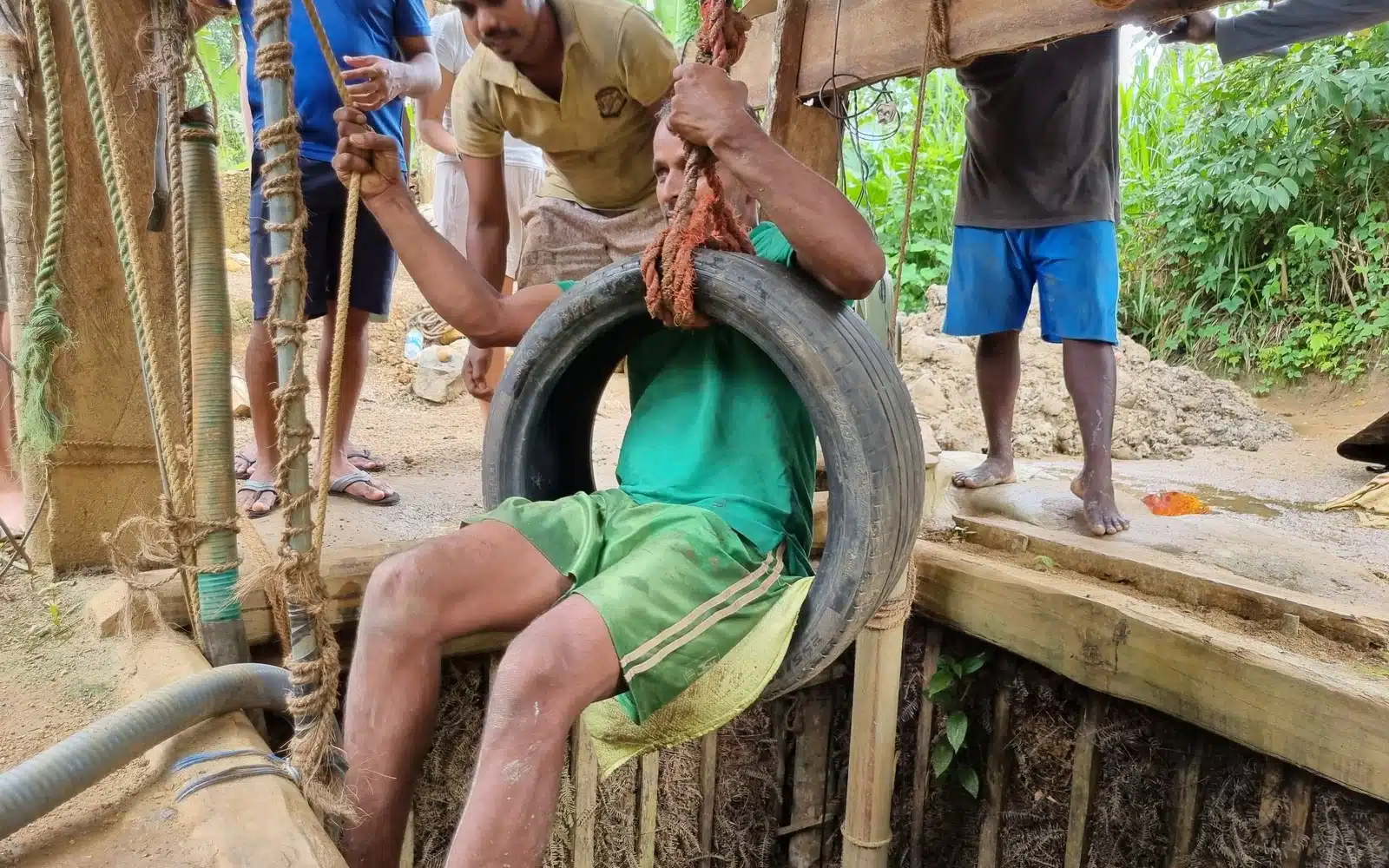
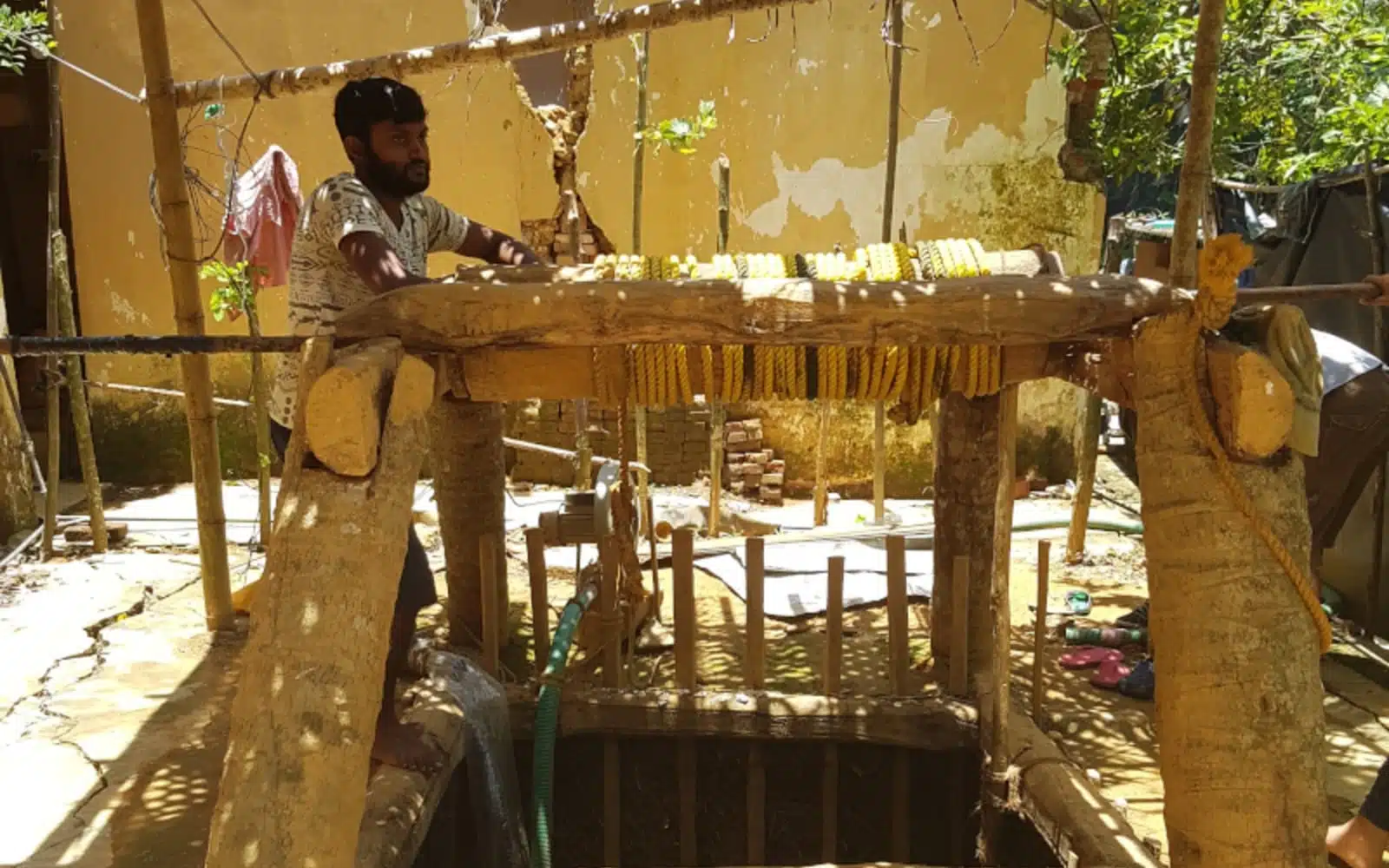
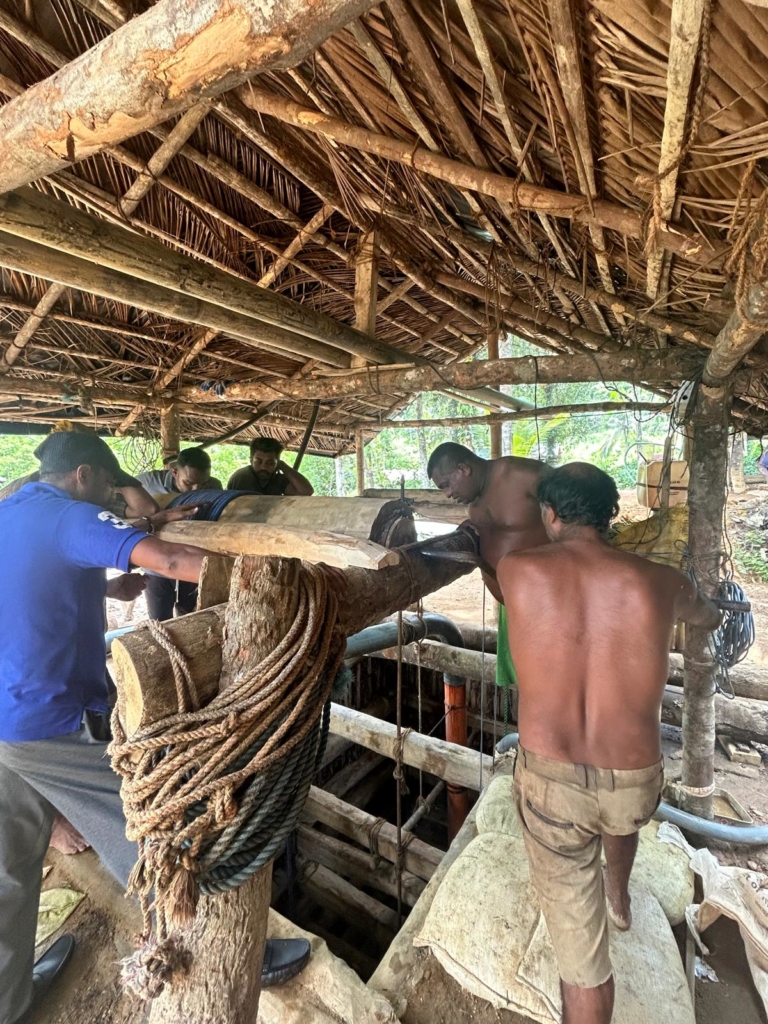
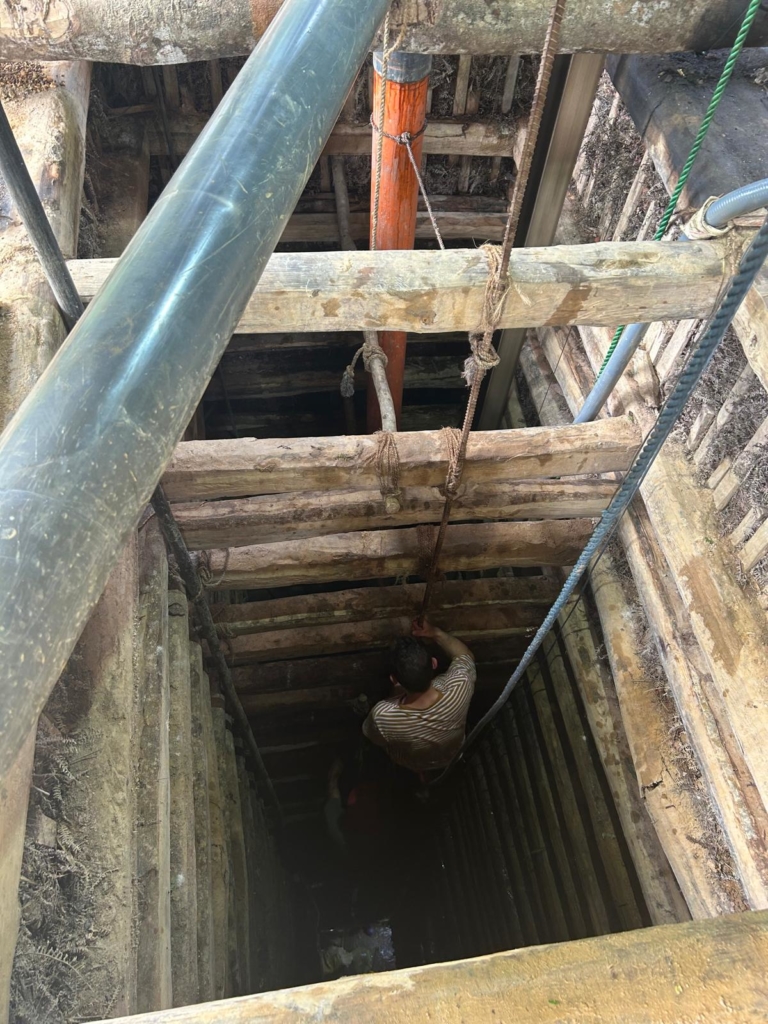
As in most operations in the region, the mine’s depth depends on the vein being sought. The descent is gradual, at the pace of those who work there every day. Once at the bottom, the conditions become immediately more tangible: the heat, the humidity, the lack of space, and the constant effort needed to extract the earth are a reminder of the harshness of this trade.
You then watch the miners methodically dig the soil before bringing it back up to the surface in heavy sacks. Each movement seems precise, almost mechanical, so often has it been repeated over the years. Above all, this immersion makes you aware of the energy required to reach these stones which, once polished, will sometimes end up in jewellers’ display cases around the world.
In Sri Lanka, gemstone extraction is still carried out largely using traditional, manual methods. This visit therefore offers a concrete look at an activity deeply rooted in the country’s history and which continues, today, to provide a living for many families in the region.
Where the stones reveal their brilliance
After the mine visit, it’s back to the surface for a well-deserved break with a cool drink. A local soda or Lion Lager, Sri Lanka’s iconic beer, helps you regain some energy before discovering the next essential stage of the process.
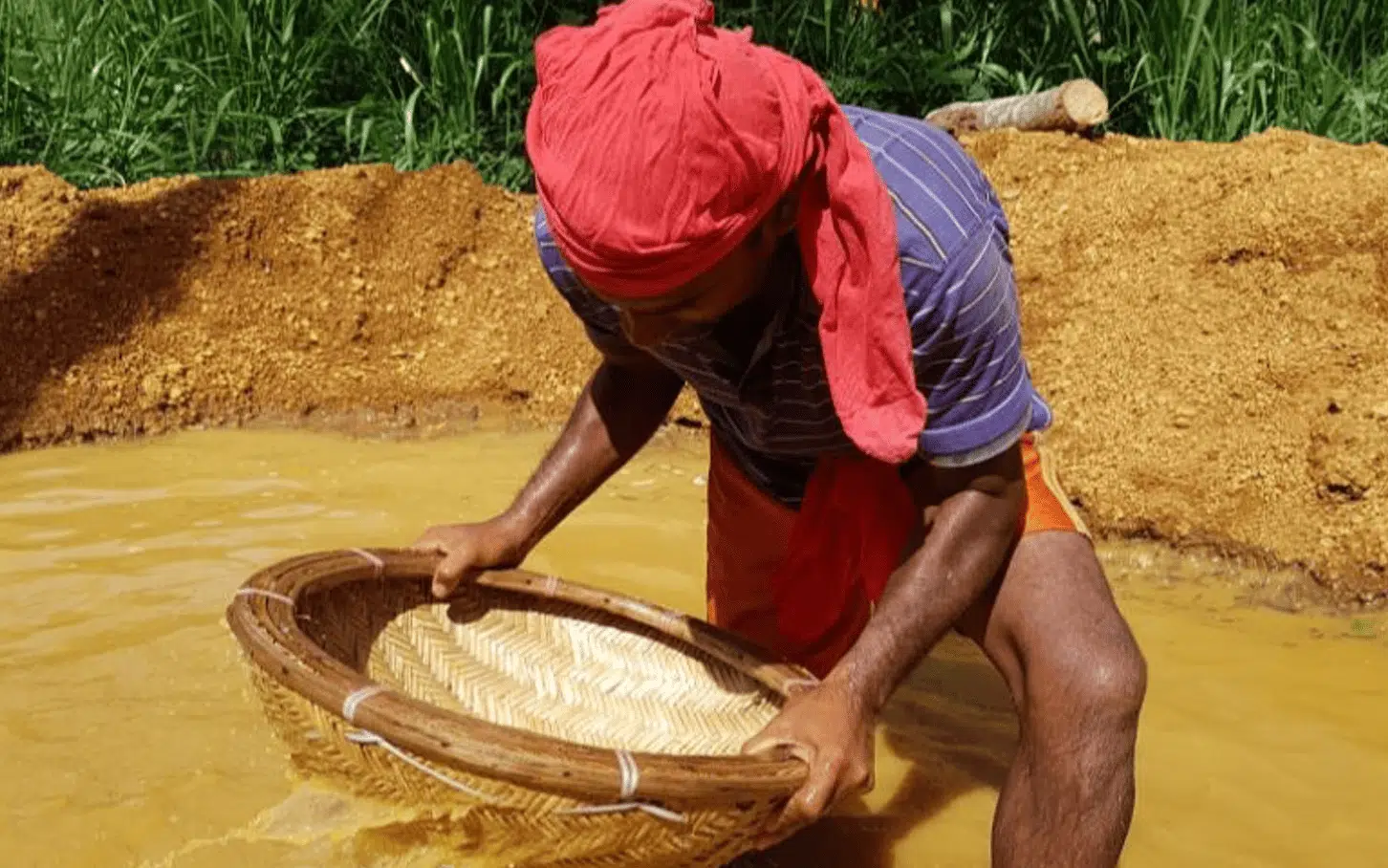
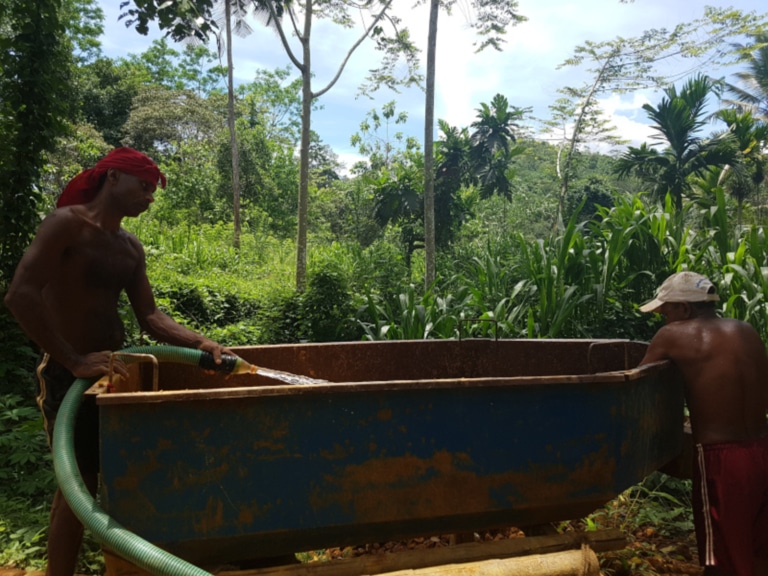
Then comes the stone-washing moment. At first glance, the work seems simple. Yet it requires patience, method, and a particularly trained eye. You discover the two techniques used on site: manual washing with a traditional basket, as well as a mechanical sieve that gradually separates the stones from the earth and sorts them by weight.
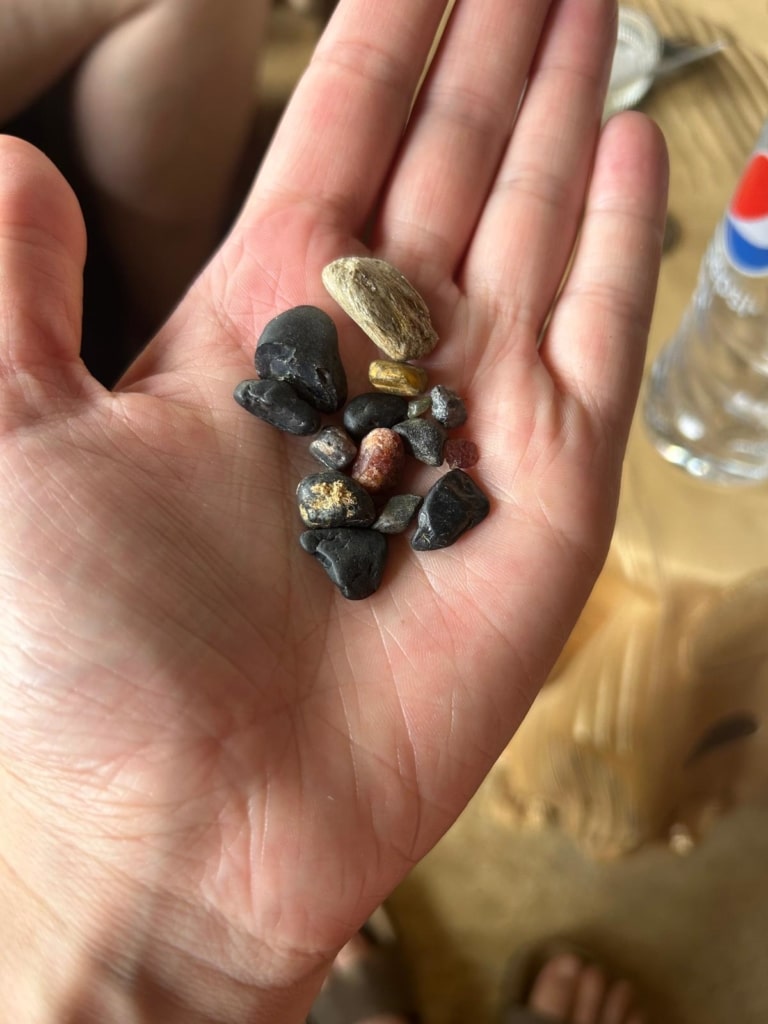
It is often at this moment that the true complexity of the craft really becomes apparent. Once the different elements have been separated, the mine owner carefully examines the small pebbles taken from the ground. Amid thousands of stones with no particular appearance, he manages to identify those worth keeping.
Sapphires, spinels, topazes, garnets, amethysts or citrines: some stones are immediately recognisable to a trained eye, while others require more attention. You take part in this meticulous search as well, and quickly realise how difficult it is to spot a rough sapphire among a multitude of rock fragments. What seems insignificant to a novice eye becomes, here, genuine expertise.
This stage adds another dimension to the experience. It reveals the full part played by intuition, experience, and knowledge that has accompanied this craft for generations.
From a rough pebble to a revealed stone
The visit ends with a traditional « rice & curry » prepared by the mine owner’s mother. After the intensity of the morning, this simpler, friendly moment naturally extends the immersion into local daily life.
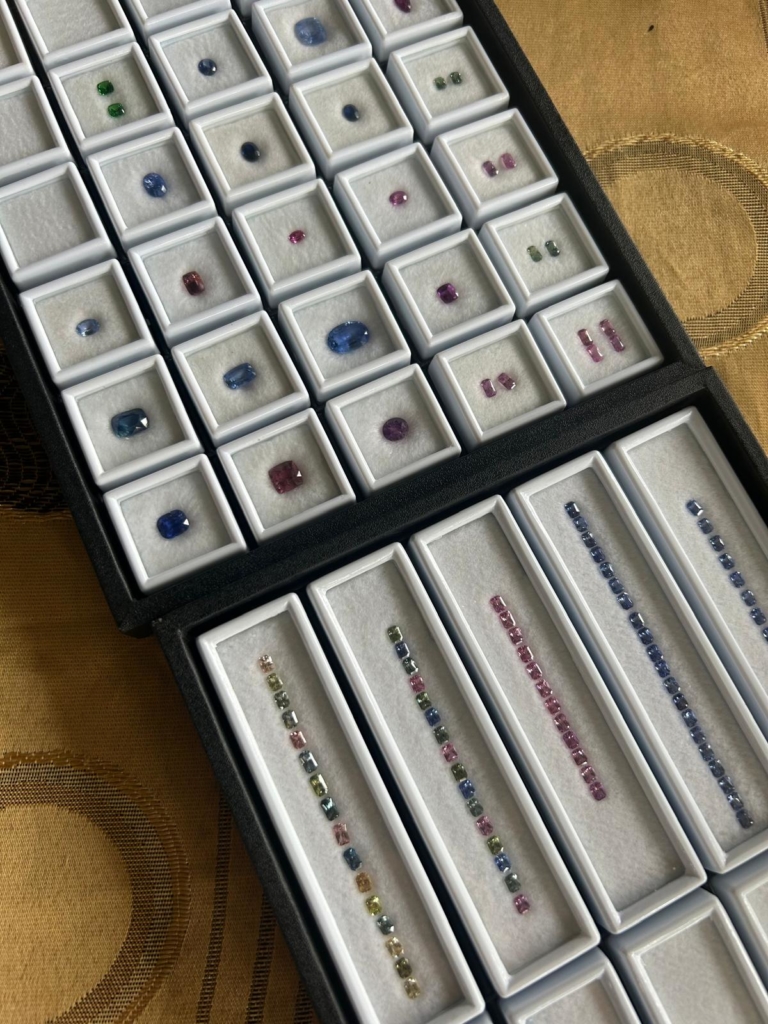
You then discover various precious and semi-precious stones once polished and cut. The contrast is striking. It is hard to imagine, when looking at these gems with deep, luminous colours, that just a few hours earlier they looked like simple pebbles pulled from the earth.
Sri Lanka is renowned worldwide for the quality of its blue sapphires. One of the most famous can in fact be found on Kate Middleton’s engagement ring, previously worn by Lady Diana: a 12-carat Sri Lankan blue sapphire that has become iconic.
Beyond the stones themselves, this experience above all leaves you with the memory of an encounter with an age-old know-how and with the men who still carry on this craft today in the heart of Ratnapura.



 Français
 English